Program Overview
Neuroscience
Study at the forefront of an emerging science.
Explore the Brain, from Neurons to Consciousness
Featured Facts and Stories
More than 50 students have joined Nu Rho Psi (the national honor society for neuroscience) over the last five years.
STEM in Color
Oberlin’s STRONG program (Science and Technology Research Opportunities for a New Generation) represents the college’s ongoing commitment to increasing the diversity of the STEM workforce.
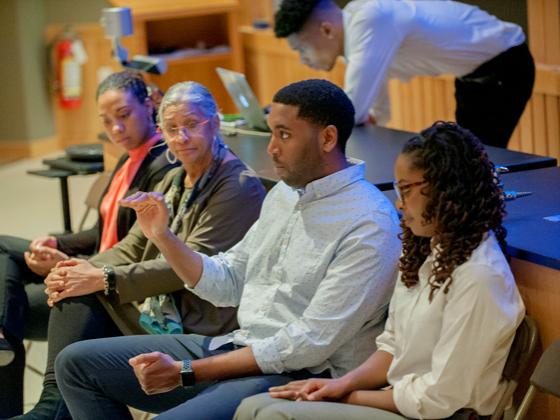
100% of tenured faculty have co-authored peer-reviewed articles with students
Student-Faculty Collaboration
Mentorship and research are cornerstones of the Neuroscience program. At Oberlin, students work with faculty to achieve new scientific discoveries.
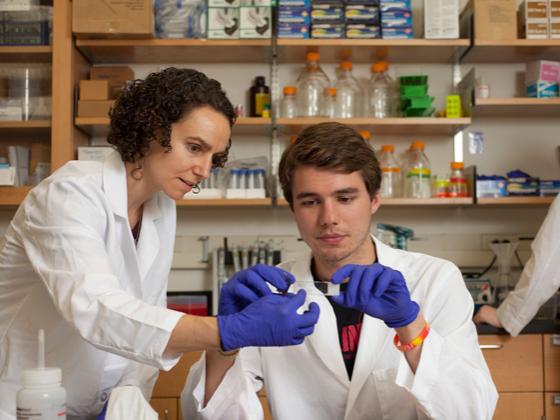
Undergraduate Research

Sara’s work focuses on the use of natural, plant-derived compounds as potential therapeutic agents for neurodegenerative diseases.
Featured Courses
NSCI 103
Environmental Toxicology and Global Health
This StudiOC course explores public health’s historical contributions to individual and community health outcomes. Students explore the ethics and organization of the global health system, as well as the social, behavioral, environmental, and biological factors that play a role in its function. The course employs inclusive learning practices to understand and address public health challenges in the 21st century.
- Taught by
- Gunnar Kwakye
NSCI 211
Introductory Neuroscience Lab
Our team-taught introductory laboratory course exposes students to a wide variety of research techniques employed by neuroscientists: neuroanatomical procedures for staining and examining brain tissue; physiological procedures for recording the electrical activity of nerve cells; computational modeling approaches; and techniques to explore how the brain controls behavior. A cornerstone of the major, it introduces students to the faculty and methods of the department.
- Taught by
- Leslie Kwakye ’06, Christopher Howard
NSCI 325
Neuropharmacology
This advanced lecture course explores the neurotransmitter systems that regulate behavior and the contribution of these systems to neurological and neuropsychiatric conditions. Additionally, students examine the effects of both prescribed and recreational drugs on brain function and behavior. An optional lab accompanies the course and introduces students to a variety of techniques used in neuropsychopharmacology research.
- Taught by
- Tracie Paine
NSCI 360
Cognitive Neuroscience
This advanced lecture course explores the neural basis of cognition, comprising functions such as perception, decision making, problem solving and language. It extends cognitive psychology to encompass physical examination of brain structure and activity, using methods such as electrophysiology, functional magnetic resonance imaging and computational modeling.
- Taught by
- Patrick Simen
Student Profiles
A Lesson in Computational Modeling
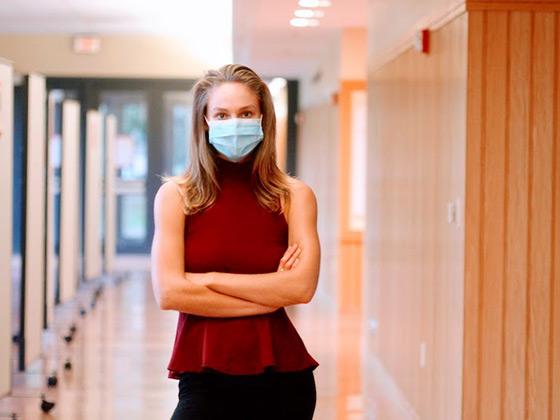
Rochelle van der Merwe ’21, a neuroscience major, participated in a special workshop held at the Carney Center for Computational Brain Science geared toward using computational modeling to study neural processes and behavior.
Oberlin College Research Fellow
Charlotte Babarinsa ’20, a double major in psychology and neuroscience, conducted research on sensory attention in Professor Leslie Kwakye's lab as an Oberlin College Research Fellow (OCRF).

A Mind for the Brain
William Muliawan ’26 turned an early fascination with the brain into hands-on research, conference presentations, and a clearer vision for his future in science.
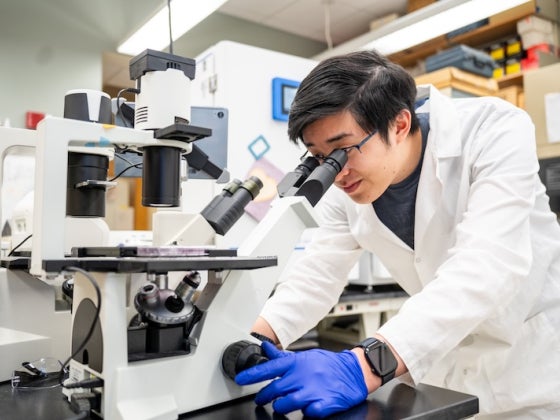
What does Neuroscience at Oberlin look like?
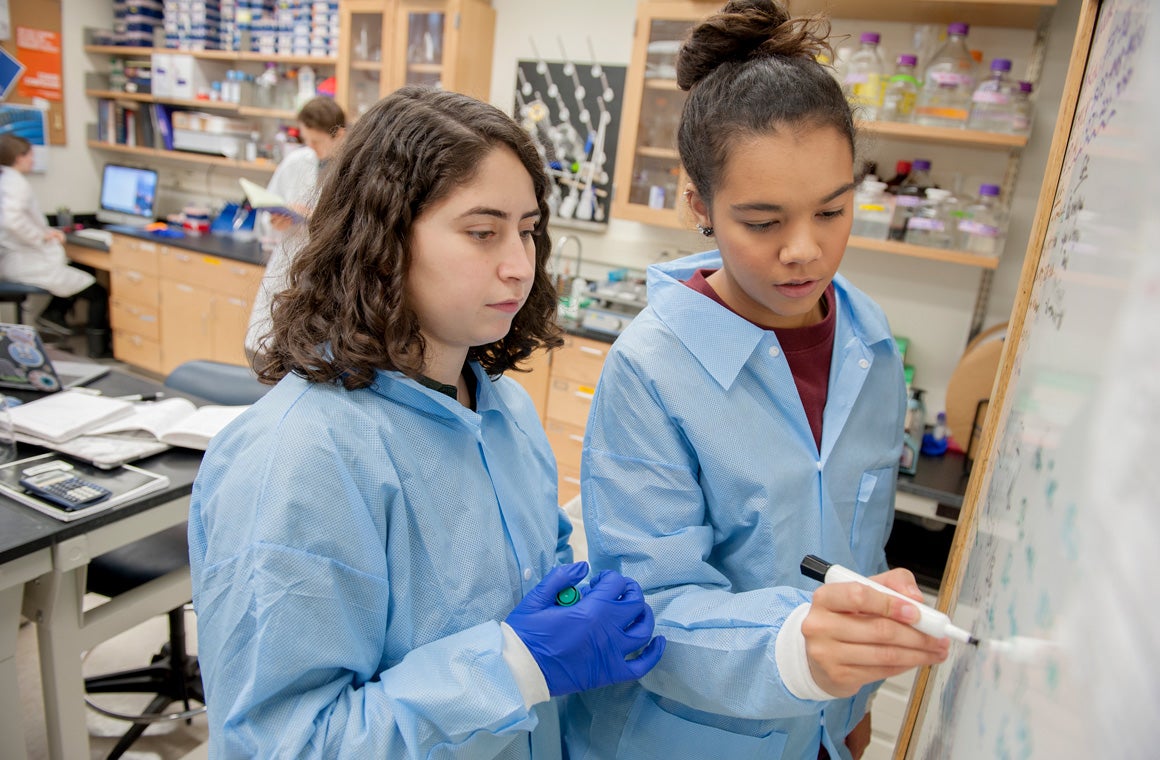
Students in Professor Gunnar Kwakye’s lab investigate how environmental toxicants affect cell health and survival in various models of neurodegenerative disease.
Photo credit: Mike Crupi
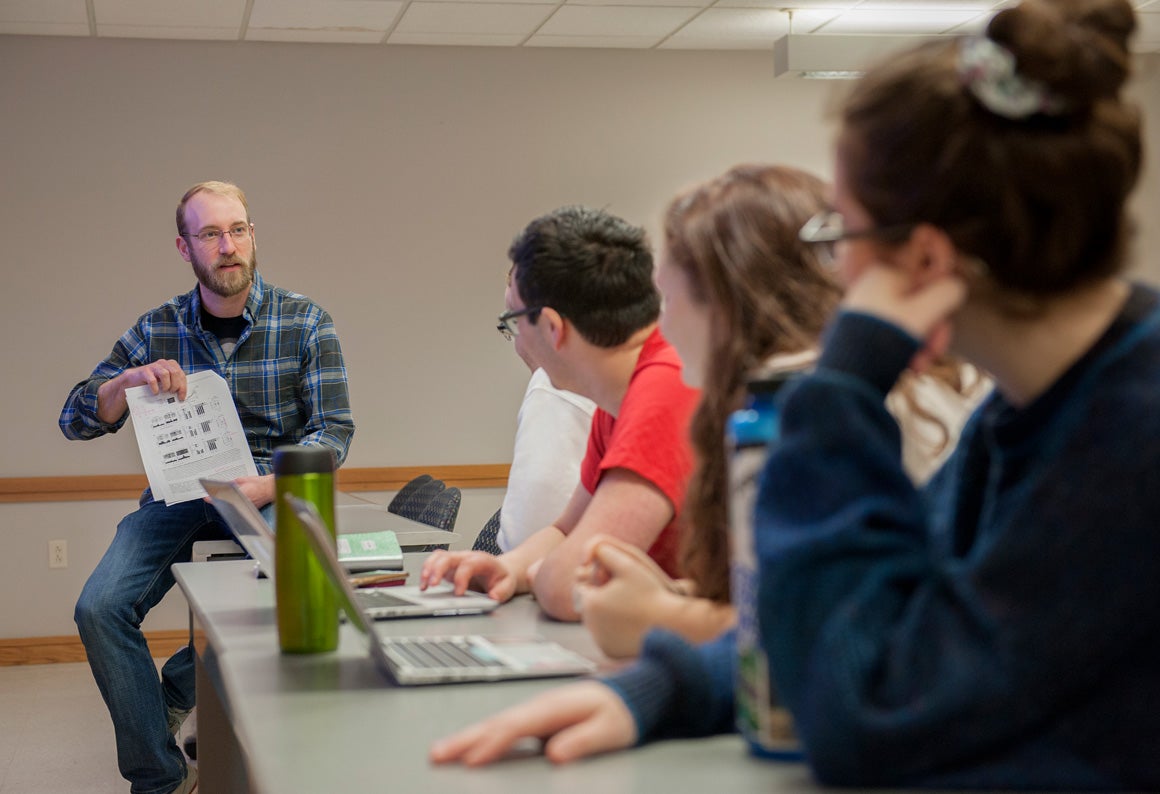
Professor Chris Howard discussing current research articles with students in his Neurophysiology class.
Photo credit: Mike Crupi
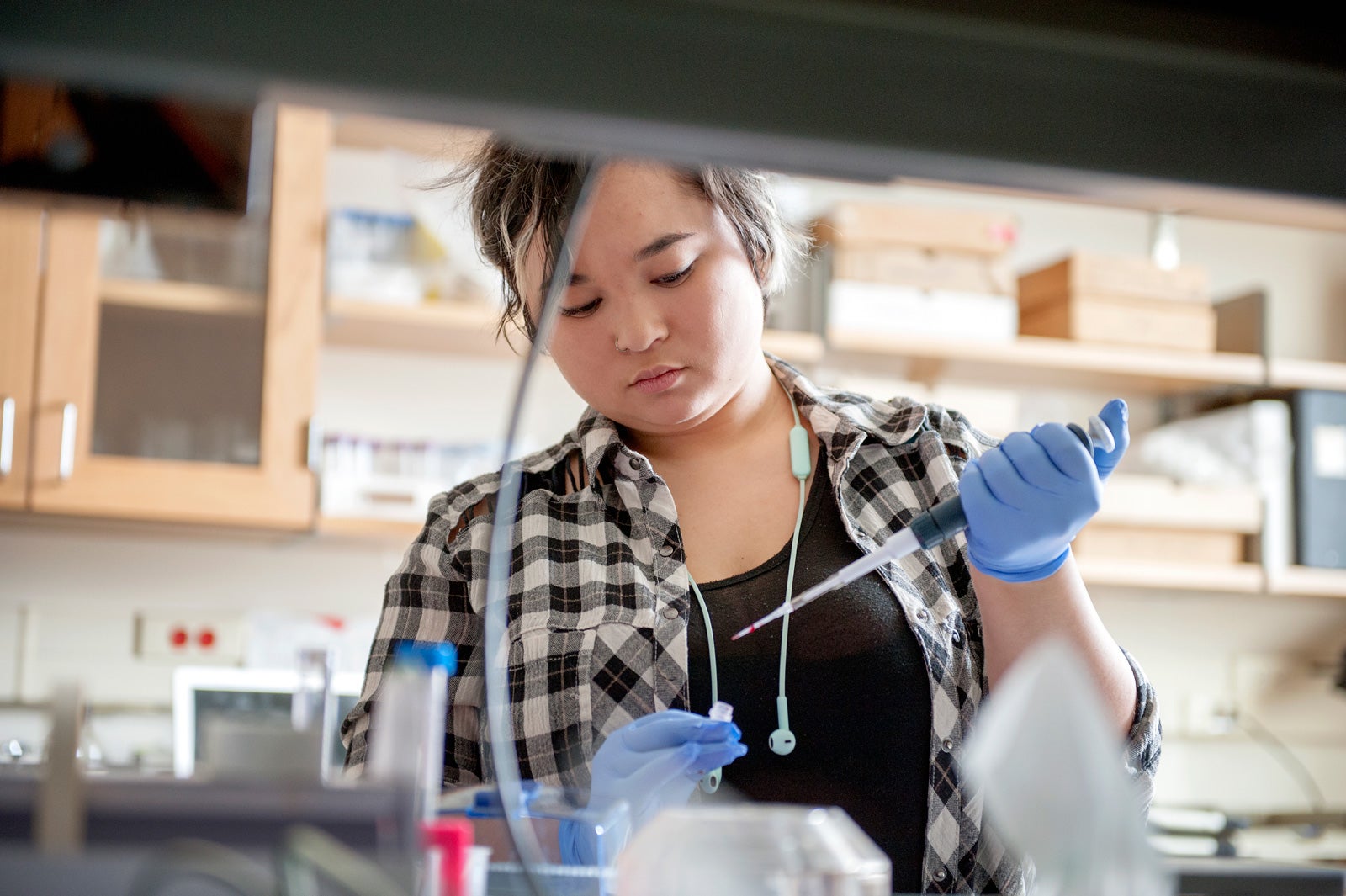
Samantha Westelman (an Honor’s research student) using molecular biological techniques to determine whether the neuroimmune system affects the progression of Alzheimer’s disease.
Photo credit: Mike Crupi
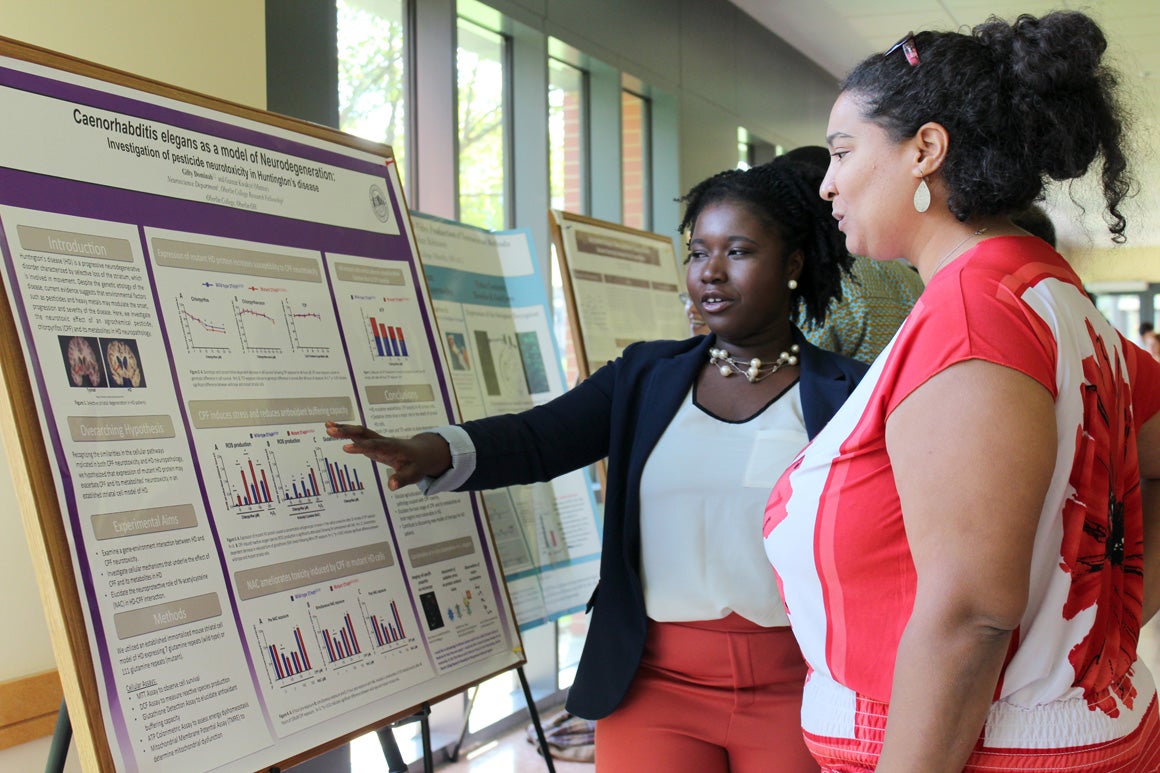
Professor Leslie Kwakye talking to Honor’s student Gifty Dominah about her research during Oberlin’s Celebration of Undergraduate Research poster session.
Photo credit: Yvette Chen
Neuroscience News
Simon Korotzer-Mariani ’26 Builds a Future in Neuroscience
Hands-on lab work, health care internships and fellowship support shape a path toward medicine.
Mufalo Mufalo ’26 Bridges Art and Community Through CELA
The Bonner scholar and artist-in-residence uses experiential learning to shape creative practice and global engagement.
From Winter Term to the Lab: Building a Path to Medicine
CELA supports Henry Feller ’26 as he integrates research across the college and conservatory, clinical experience, and global study toward a career in pediatrics and public health.

Next Steps
Get in touch; we would love to chat.