News
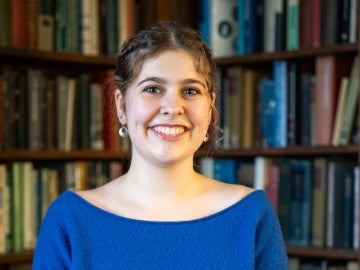
Formulating a Future: Finding a Calling in Pharmaceutical Science
By Kate Martin ’26
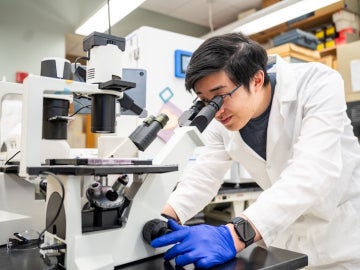
Chemistry major Alex Xie ’26 utilizes CELA’s research fellowships and scholarship advising to transition from campus labs to a future in pharmaceutical research.
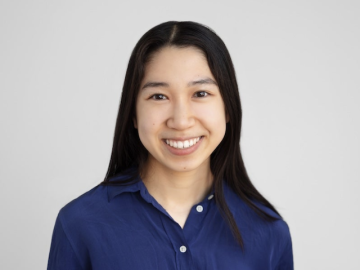
From Capitol Hill to Mellon Mays: A Journey in Engaged Scholarship
By Kate Martin ’26
Through CELA, Aina Tasso ’27 integrates Bonner service, Congressional internships, and Mellon Mays research to build a future in scholarship and public service.
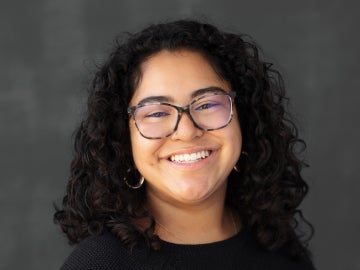
Connecting Hawaiian Identity and Global Advocacy
By Kate Martin ’26
Isabel Handa ’26 shares how Oberlin’s Mellon Mays fellowship and CELA resources helped her bridge Hawaiian identity with global diasporic advocacy and research.
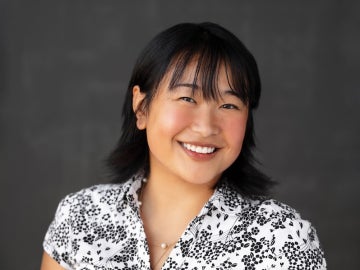
Exploring Identity and Research Pathways Through CELA
By Kate Martin ’26
Sociology major Katelyn Liu ’26 explores Asian and Asian American identity through Oberlin’s Mellon Mays Fellowship and the Center for Engaged Liberal Arts.
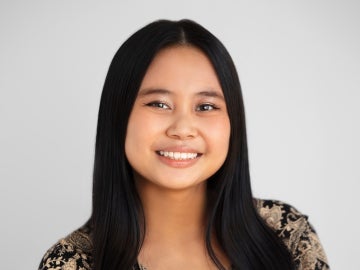
How CELA and CLEAR Empower Biochemistry Research
By Kate Martin ’26
Julia Ludwig ’27 highlights how Oberlin’s CELA and CLEAR programs provided the research foundation and leadership skills needed for a future in neuroscience.
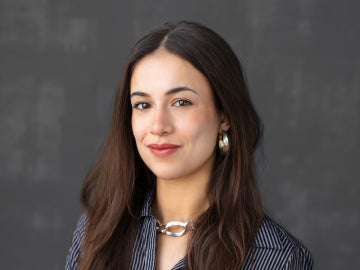
Sustainability in Action: From Oberlin to the Ohio EPA
Office of Communications
Geosciences and musical studies major Isabel Hyman ’26 spent her summer helping the Ohio EPA advance recycling and environmental education across the state.
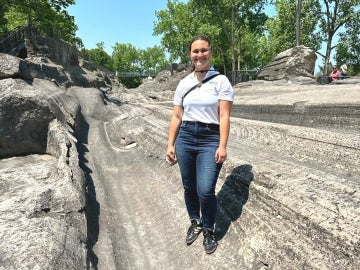
Bringing Data Science to Investigative Journalism
Office of Communications
Declan Bradley ’26 discusses his summer internship at the Howard Center for Investigative Journalism and how Oberlin’s focus on ethics in statistics prepared him for a career in computational reporting.
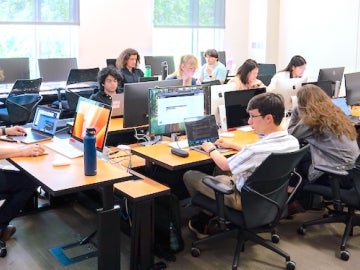
From Lab to Bedside: Exploring Neuroscience Research and Patient Care
Office of Communications
Anna Fritz ’26 studied Parkinson’s disease and shadowed specialists across multiple fields at Boston Medical Center.

A Mind for the Brain
By Yvonne Gay
Oberlin neuroscience major William Muliawan ’26 turned an early fascination with the brain into hands-on research, conference presentations, and a clearer vision for his future in science.
Flourishing Through Fieldwork
By Danielle Frezza
Vivian Friedman ’26 spent the summer of 2025 at New York University, gaining valuable insight into the research process.