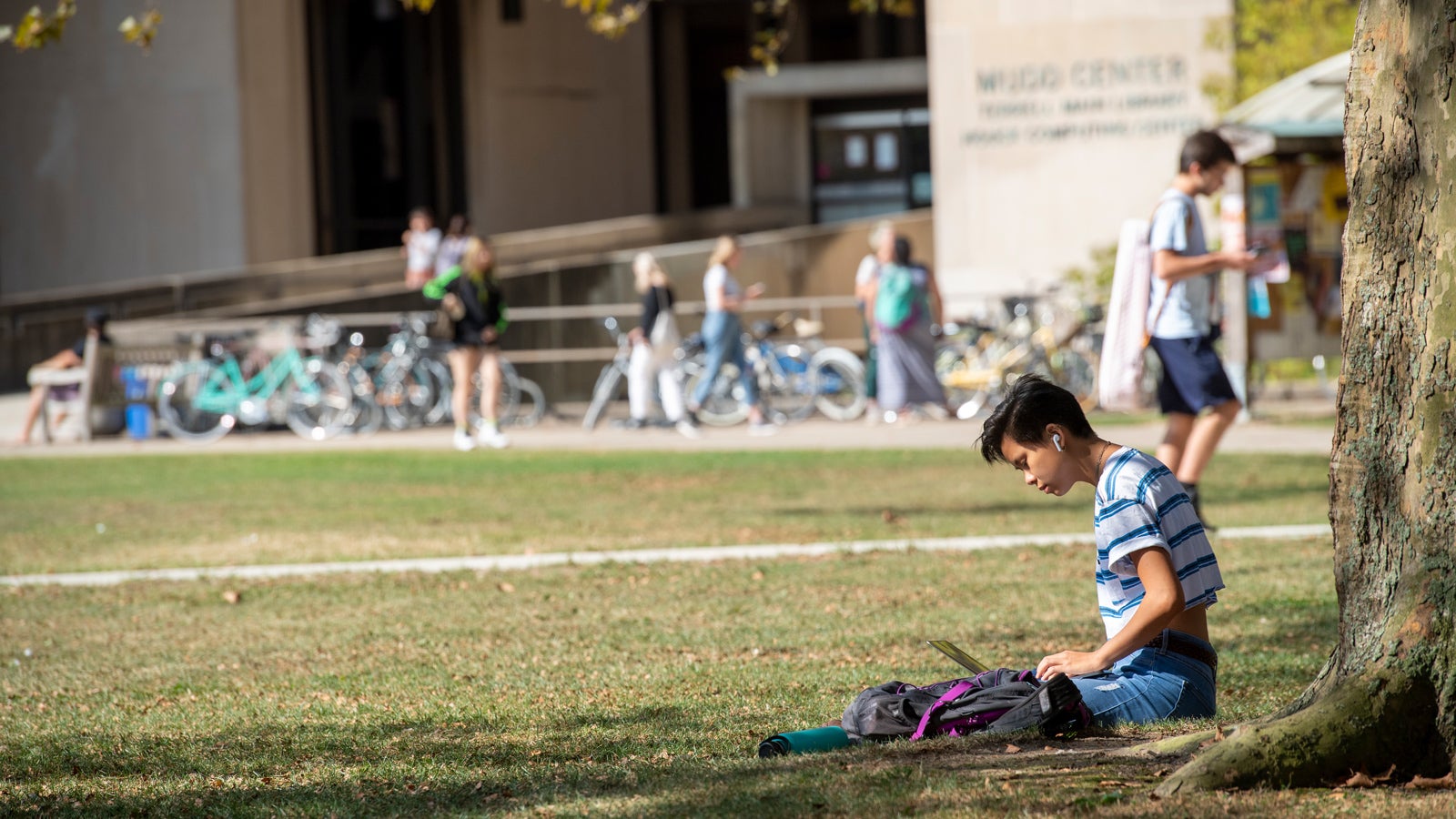
Double Degree Program at Oberlin
Oberlin’s Double Degree Program offers a five-year path to earning both a Bachelor of Music in the Conservatory of Music and a Bachelor of Arts degree from the College of Arts & Sciences. Choose from over 90 majors and programs between the Conservatory and College to craft a course of study that reflects your passions and broadens your horizons.
Why Double Degree at Oberlin?
Oberlin launched the nation's first double degree program in 1910, setting the standard for integrating a comprehensive liberal arts education with pre-professional music training. With over a century of experience, the double degree program offers unmatched expertise and structure that empowers students intellectually and musically. Here's how:
Dedicated Support
You'll work with two expert advisors, one in each school, who understand the Double Degree requirements to keep you on track to graduate.
Flexibility to Commit
As students explore their interests, they sometimes change their minds on their preferred major or pathway to graduation. Double degree students may choose to drop one of the degrees at any point in their enrollment and only pursue a single degree. Single degree students may apply to add the double degree at any point up to their third year.
Compatible Schedules
Conservatory ensembles and lessons are scheduled around College classes, allowing you to easily organize your schedule each semester and participate in required lessons, ensembles, and liberal arts courses.
Integrated Campus
You'll rotate between Conservatory and College classes without time-consuming travel — many times you're moving just across the street.
How are students admitted?
Admission to the Double Degree program is based on being accepted to both the College of Arts & Sciences and the Conservatory of Music — either during your initial application or after enrolling in one school and applying to the other through our Change of Degree Program process. Students can begin the program in their first year, or they have until the end of the third year to add the second degree.

Facts at a Glance
The remaining 40% earn both degrees in 4.5 years or less
Including ensembles, practice spaces, and recording
Little to no competition with graduate-level students for networking and mentorship
Others refine their interests and choose to focus on one degree, still graduating with a strong foundation in music and the liberal arts.
Hear from Double Degree Obies
We talked to Double Degree students about their Oberlin experiences. Hear what they had to say about the program.
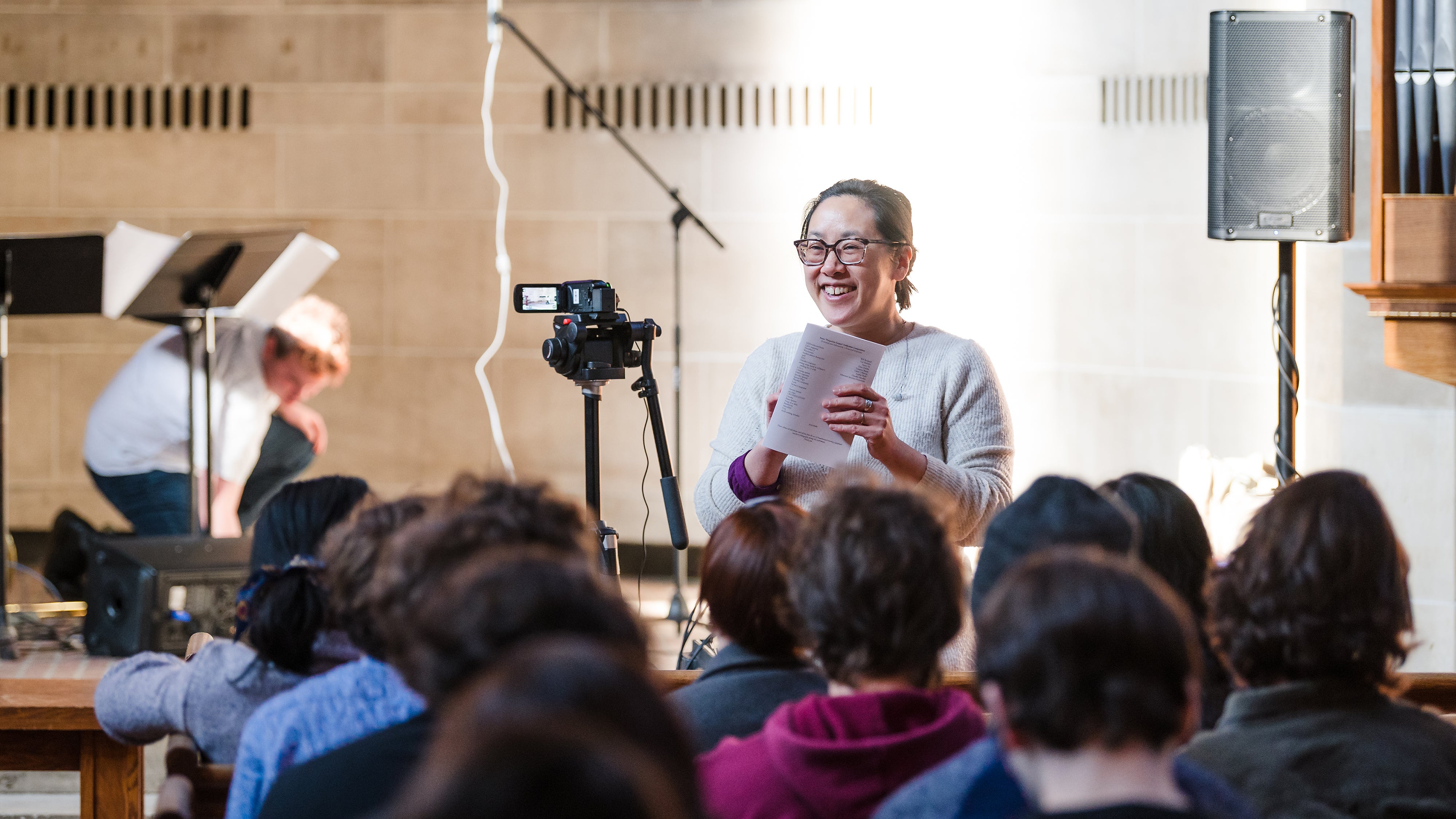
Double Degree Success Stories
Combining a thorough liberal arts education with exceptional pre-professional music training, Oberlin's double degree program prepares graduates for whatever profession they choose. We’re proud to highlight double degree students at the center of inspiring work during and after their time at Oberlin. You could be one of them!
From Preschool to Star Wars
Versatile singer and educator Adriana Manfredi ’01 stretches the bounds of her music career.
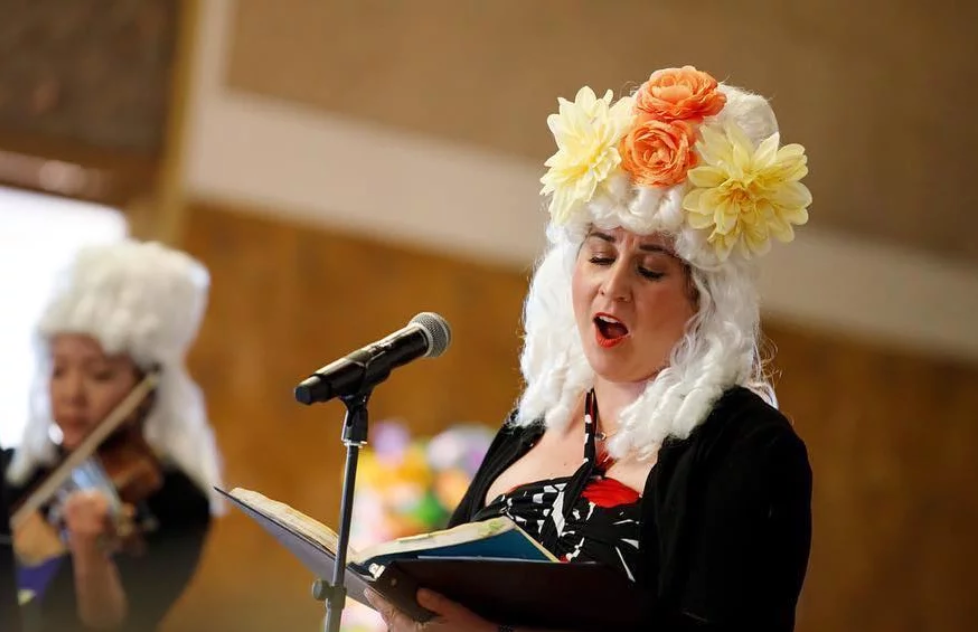
Photo credit: Courtesy of Adriana Manfredi
Youngest Tenured Musician at Cincinnnati Symphony Orchestra
Drew Dansby ’24 pursued his passion for both cello performance and chemistry in his double degree program. He graduated with both degrees and the disctinction of being the youngest tenured musician appointed to the Cincinnati Symphony Orchestra.
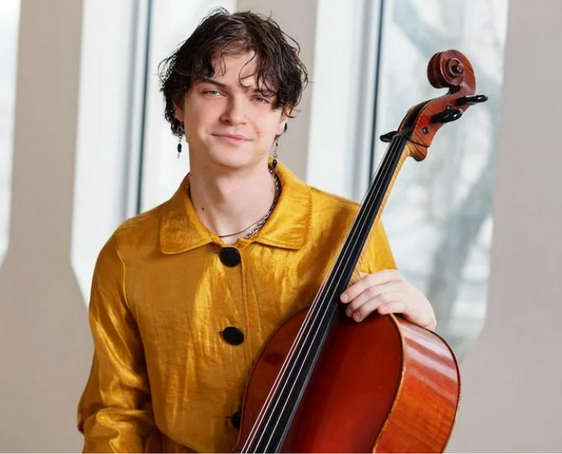
Photo credit: Tanya Rosen-Jones '97
Railey Stern Yen Uses Fulbright to Reconnect with Taiwan
A May 2023 graduate of the double degree program, Stern Yen will apply his experiences in teaching and working with youth.
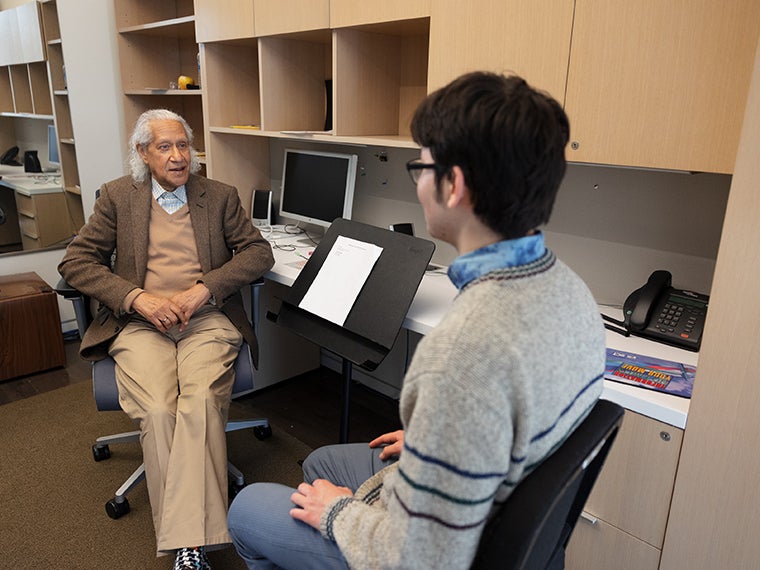
Photo credit: Tanya Rosen-Jones '97
Student Perspectives
Read how double degree students have found balance at Oberlin.
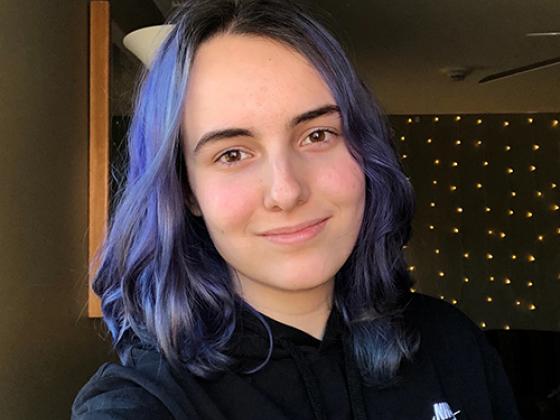
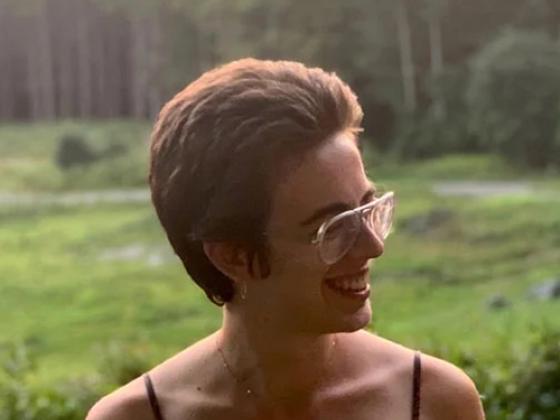
My Path to Environmental Studies
Claire O’Brocta ’23
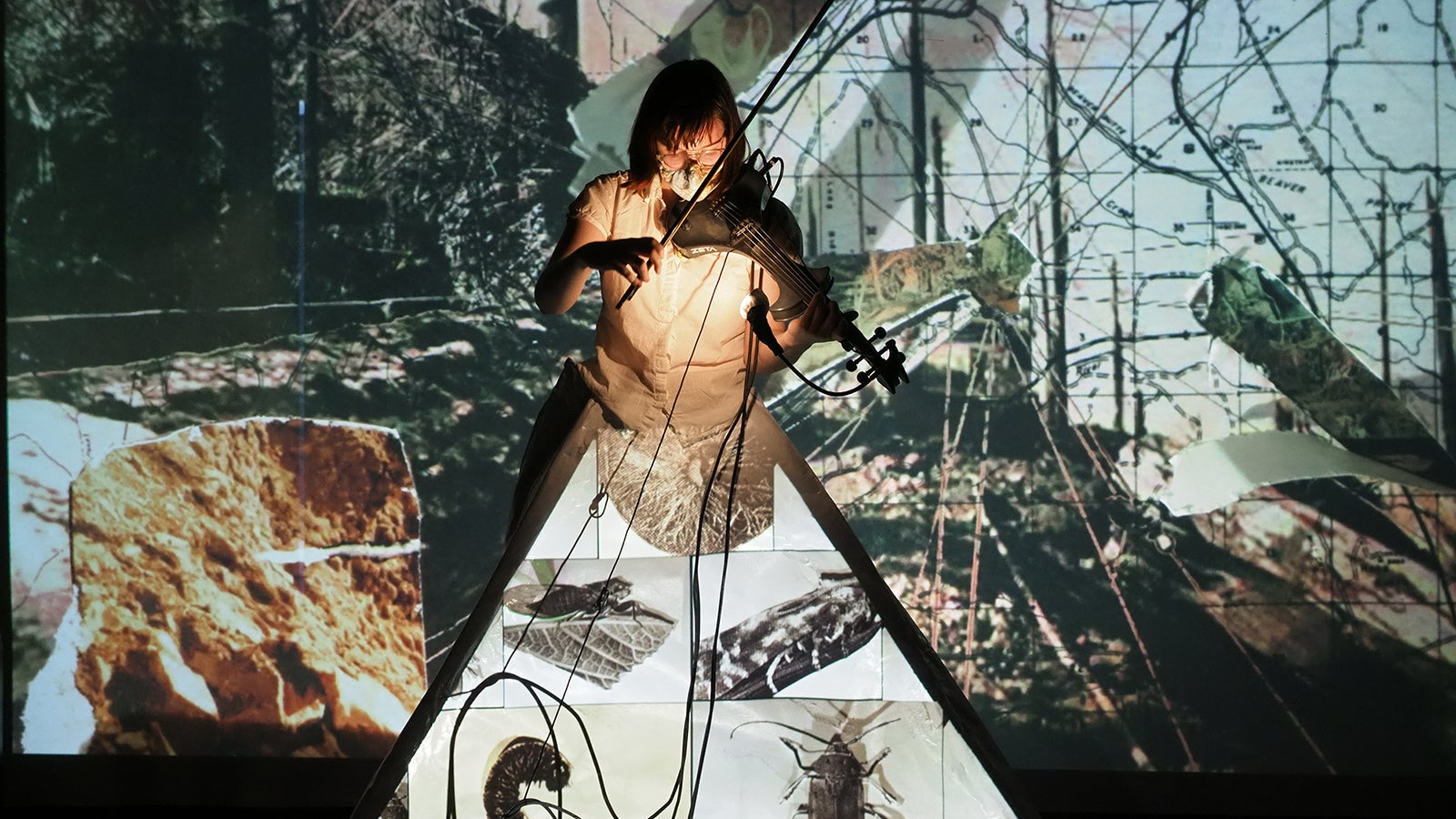
Majors: TIMARA, Environmental Studies
Double Degree Program Curriculum
Ready to apply?
Discover what you need to apply to Oberlin, including important admissions deadlines, financial aid information, and more.