
Summer Programs
Baroque Performance Institute Faculty
The Baroque Performance Institute faculty includes experienced musicians, vocalists, and educators with expertise in period and historical instruments. Many are conservatory faculty in the Division of Historical Performance and members of the Oberlin Baroque Ensemble.
BPI faculty conduct master classes, ensemble coaching, performance techniques, and dance classes, as well as participate in ensemble and large group recitals.
The Baroque Performance Institute is ideal for students who want a memorable listening and music-making experience that allows them to step back in time to learn, play, and perform the works of Handel, Bach, Telemann, and a host of lesser-known—but nonetheless excellent—Baroque composers.
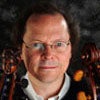 Kenneth Slowik (artistic director; Baroque cello, viola da gamba) is artistic director of the Smithsonian Chamber Music Society. He has made more than 80 recordings on the cello, viol, fortepiano, and baryton, and as conductor in repertoire ranging from Monteverdi to Stravinsky. He serves on the faculties of the University of Maryland and the American Bach Soloists Academy and has recently instituted a series of Haydn Quartet Academies at the Smithsonian, where he was named a Distinguished Scholar in 2011.
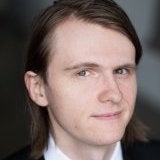 Mark Edwards (harpsichord), Associate Professor of Harpsichord at Oberlin Conservatory, has presented solo recitals at numerous major festivals and series, among them the Utrecht Early Music Festival, Bozar, and the Montreal Baroque Festival and Clavecin en concert. He has performed concertos with ensembles including Il Gardellino, Neobarock, and Ensemble Caprice.
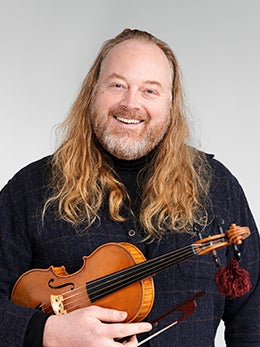 Visiting Assistant Professor of Baroque Violin Edwin Huizinga (Violin, on leave 2026) thrives in both Baroque and modern repertoire and performs with musicians from multiple genres and practices worldwide, including alongside Yo-Yo Ma, Itzhak Perlman, Renée Fleming, Dawn Upshaw, Mike Marshall, and Stevie Wonder. He is a founding member of the Baroque ensemble ACRONYM, and has also served as guest director of the Atlanta Baroque Orchestra. He plays in the duo Fire & Grace, an eclectic collaboration with guitarist William Coulter, and with the Juno-nominated indie rock band The Wooden Sky. He is a founding member of Classical Revolution, which began in San Francisco in 2006 and has now grown to numerous cities around the world, presenting concerts and jam sessions in alternative spaces. Huizinga currently serves as the artistic director of the Sweetwater Music Festival and is on the artistic leadership team of the Carmel Bach Festival.
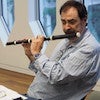 Michael Lynn (recorder, Baroque flute) is Professor of recorder and Baroque flute at the conservatory. He has performed internationally with such groups as Apollo's Fire, Mercury Baroque, the Smithsonian Chamber Players, Boston Early Music Festival, and others. He has given workshops around the country and is well known for his knowledge of historical flutes. His collection can be viewed at www.originalflutes.com
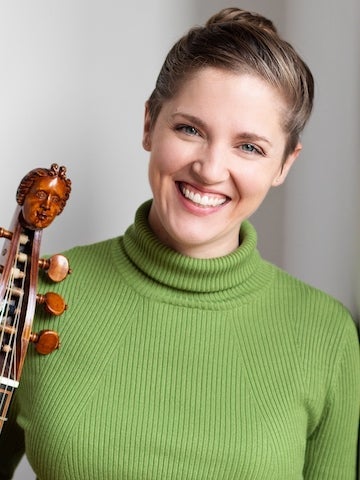 Cellist and gambist Rebecca Landell’s “luminous” (Cleveland.com) and “notable” (The New York Times) sound elicits a range of expression “from classically evocative to Hitchcock horrifying” (Washingtonian). Her solo appearances include performances with Apollo’s Fire, Atlanta Baroque Orchestra, Vermont Symphony Orchestra, Three Notch’d Road, and Batzdorfer Hofkapelle. Reed pursues a diverse professional career, and her credits have included performing and acting in Studio Theatre’s An Iliad, working with composer Eric Shimelonis on the NPR children’s show Circle Round, and developing educational programs with the Crumhorn Collective.
Baroque Performance Institute Faculty
 Joseph Gascho (harpsichord, organ, conductor) performs and teaches across the country as a soloist, collaborator, conductor, and improviser. Since 2014 he has served on the faculty of the University of Michigan, where he is associate professor and director of the Stearns Collection of Musical Instruments. Recent projects include transcribing old works and commissioning new works for harpsichord and chamber ensembles, musical and interdisciplinary collaborations, and designing and building new musical instruments.
 Peter Lim is a harpsichordist and historical woodwinds player based in Basel. Active as a soloist and chamber musician across Europe and North America, his work integrates scholarship and performance. He studied at Oberlin Conservatory (Mark Edwards, Michael Lynn), the Royal Conservatory of Brussels (Bart Naessens, Marcel Ponseele, Bart Coen), and The Juilliard School (Peter Sykes, Richard Egarr, Béatrice Martin). He completed studies at the Schola Cantorum Basiliensis with Francesco Corti (harpsichord), Jörg-Andreas Bötticher (Generalbaß), and Andreas Böhlen (recorder), and is currently pursuing a specialized master’s there. He has collaborated with ensembles including Handel and Haydn Society, J415, Atlanta Baroque Orchestra, and Apollo’s Fire, and is a co-artistic member of ChamberQueer (NYC) and The Broken Consort (Portland). His scholarly work includes critical-performance editions of 17th- and 18th-century keyboard manuscript sources and research of the practical application of historical tuning systems.
 David Breitman (clavichord, fortepiano, week 2) is associate professor of historical performance at Oberlin Conservatory and directs its historical performance program. He is equally at home with the fortepiano and the modern piano, and enjoys both solo and ensemble playing. Recent seasons have included Beethoven’s Fourth Concerto and Choral Fantasy, and performances at the Cobbe Collection of historical instruments outside of London. In the book Piano Playing Revisited: What Modern Players Can Learn from Period Instruments, published by University of Rochester Press, Breitman acknowledges the dilemma of confronting historical repertoire with modern instruments, then shows how to apply insights from period instruments to practical problems on any piano.
Mark Edwards (harpsichord), and assistant professor of harpsichord at Oberlin Conservatory, has presented solo recitals at numerous major festivals and series, among them the Utrecht Early Music Festival, Bozar, and the Montreal Baroque Festival and Clavecin en concert. He has performed concertos with ensembles including Il Gardellino, Neobarock, and Ensemble Caprice.
Joseph Gascho (harpsichord, organ, conductor) performs and teaches across the country as a soloist, collaborator, conductor, and improviser. Since 2014 he has served on the faculty of the University of Michigan, where he is associate professor and director of the Stearns Collection of Musical Instruments. Recent projects include transcribing old works and commissioning new works for harpsichord and chamber ensembles, musical and interdisciplinary collaborations, and designing and building new musical instruments.
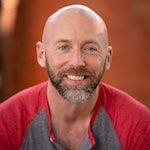 Michael Sponseller is recognized as one of the outstanding American harpsichordists of his generation. A highly diversified career brings him to festivals and concert venues all around as a recitalist, concerto soloist, and active continuo performer on both harpsichord and organ. He studied at the Oberlin Conservatory of Music with Lisa Goode Crawford with additional studies at the Royal Conservatory of Music, The Hague. He has garnered prizes at the International Harpsichord Competitions of Bruges (1998, 2001) Montréal (1999), as well as First Prizes at both the American Bach Soloists (1998) and Jurow International Harpsichord Competition (2002). He appeared regularly as harpsichordist and continuo organist with several of America’s finest Baroque orchestras and ensembles, such as the Boston Early Music Festival (BEMF), Bach Collegium San Diego, Les Délices, Aston Magna, Tragicomedia, as well as Los Angeles Philharmonic, Chamber Society of Lincoln Center and can be heard on over 30 recordings, including two Grammy nominated recordings with BEMF: Telemann’s Ino & Opera Arias for Soprano (2024) and Charpentier’s Les Plaisirs de Versailles (2020). At home, he had a regular presence at Boston’s Emmanuel Music, having performed over 140 sacred cantatas of J.S. Bach. Early Music America Magazine has said of his performance, “His well-proportioned elegance carries the day quite stylishly.” Mr. Sponseller'sinterest in teaching has led him to teaching at Eastman, Curtis, Oberlin, Longy and Cornell, as well as Oberlin’s Baroque Performance Institute, and is Associate Music Director of Bach Collegium San Diego.
 Julie Andrijeski (Baroque violin, Baroque dance, week 1) is senior instructor and director of Baroque music and ensembles at Case Western Reserve University. She leads classes in historical performance practices, teaches Baroque violin, and directs the Baroque orchestra, chamber, and dance ensembles. She also is artistic director of Atlanta Baroque, codirector of Quicksilver; principal player with Apollo’s Fire, and a member of Les Délices, the Boston Early Music Festival Orchestra, and the King’s Noyse.
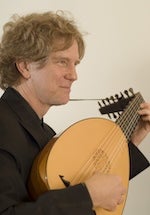 Grant Herreid performs frequently on early reeds, brass, strings, percussion and voice with Piffaro, Hesperus, ARTEK, Elm City Consort, among others. He was the recipient of Early Music America’s Laurette Goldberg award for excellence in early music outreach and education. A specialist in basso continuo and early opera, he has directed and edited many works by Monteverdi, Cavalli, Cesti, and others. On the faculty of Yale's Department of Music and School of Music, he directs the Yale Collegium Musicum and the Yale Baroque Opera Project (YBOP). Grant devotes much of his time to exploring the unwritten improvisatory traditions of early (and late) Renaissance music.
Visiting Assistant Professor of Baroque Violin Edwin Huizinga (on leave 2026) thrives in both Baroque and modern repertoire and performs with musicians from multiple genres and practices worldwide, including alongside Yo-Yo Ma, Itzhak Perlman, Renée Fleming, Dawn Upshaw, Mike Marshall, and Stevie Wonder. He is a founding member of the Baroque ensemble ACRONYM, and has also served as guest director of the Atlanta Baroque Orchestra. He plays in the duo Fire & Grace, an eclectic collaboration with guitarist William Coulter, and with the Juno-nominated indie rock band The Wooden Sky. He is a founding member of Classical Revolution, which began in San Francisco in 2006 and has now grown to numerous cities around the world, presenting concerts and jam sessions in alternative spaces. Huizinga currently serves as the artistic director of the Sweetwater Music Festival and is on the artistic leadership team of the Carmel Bach Festival.
Cellist and gambist Rebecca Landell’s “luminous” (Cleveland.com) and “notable” (The New York Times) sound elicits a range of expression “from classically evocative to Hitchcock horrifying” (Washingtonian). Her solo appearances include performances with Apollo’s Fire, Atlanta Baroque Orchestra, Vermont Symphony Orchestra, Three Notch’d Road, and Batzdorfer Hofkapelle. Reed pursues a diverse professional career, and has performed and acted in Studio Theatre’s An Iliad, worked with composer Eric Shimelonis on the NPR children’s show Circle Round, and developed educational programs with the Crumhorn Collective.
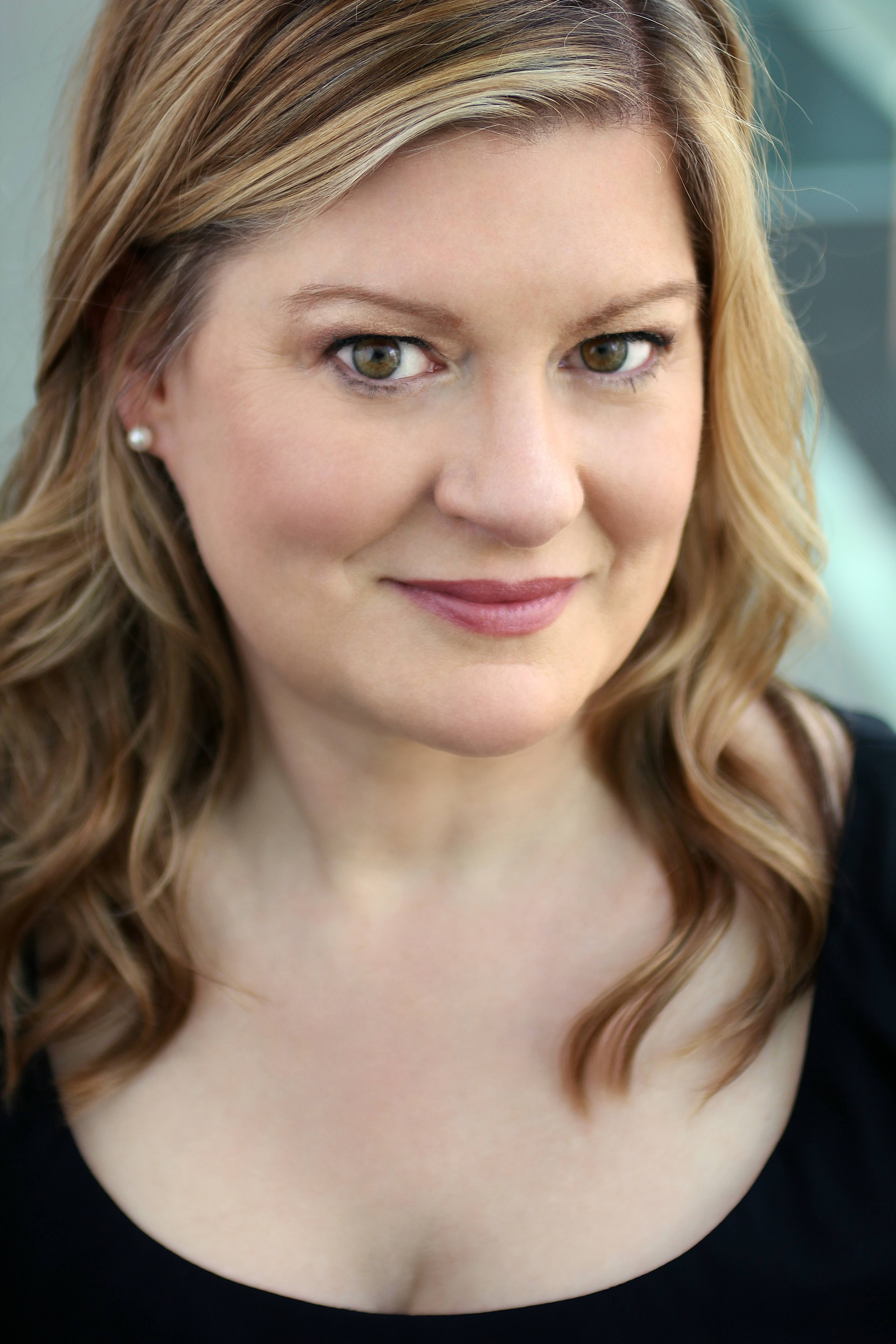 Cynthia Roberts (Baroque violin, week 1) is a faculty member of the Juilliard School, the Curtis Institute of Music, and the University of North Texas. She has appeared as soloist, concertmaster, and recitalist throughout the U.S., Europe, and Asia. She performs with the Boston Early Music Festival Orchestra, Tafelmusik, the Trinity Baroque Orchestra, and the Carmel Bach Festival. Her recording credits include Sony, CPO, and Deutsche Harmonia Mundi.
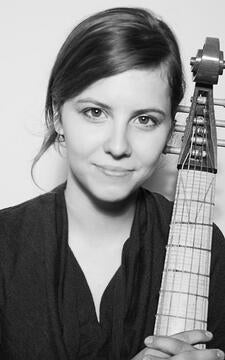 Catherine Slowik (viola da gamba) is a multi-instrumentalist, performing regularly on viola da gamba, cello, baryton, and violone. Her teachers have included Rachel C. Young, Catharina Meints, and Kenneth Cooper. She appears frequently with the Elm City Consort, the Smithsonian Chamber Players, the Yale Baroque Opera Project, and the Yale Collegium Musicum. Other recent work has included appearances with The Thirteen, Cathedra, and the New Muses Project, and a COVID-safe outdoor production of Dido and Aeneas, which she produced and music directed in the summer of 2020. In 2020 Slowik was a Smithsonian Haydn Fellow.
Kenneth Slowik (artistic director; Baroque cello, viola da gamba) is artistic director of the Smithsonian Chamber Music Society. He has made more than 80 recordings on the cello, viol, fortepiano, and baryton, and as conductor in repertoire ranging from Monteverdi to Stravinsky. He serves on the faculties of the University of Maryland and the American Bach Soloists Academy and has recently instituted a series of Haydn Quartet Academies at the Smithsonian, where he was named a Distinguished Scholar in 2011.
 Jane Starkman (Baroque violin, Baroque viola) is a lecturer in music, Baroque violin, and historical performance at Boston University. She has performed with the Cologne Chamber Orchestra, Capella Clementina, Handel and Haydn, Boston Baroque, the Smithsonian Chamber Players, and others. She also teaches at Wellesley College and has been a guest musician at the Massachusetts Suzuki Festival and New England Conservatory of Music.
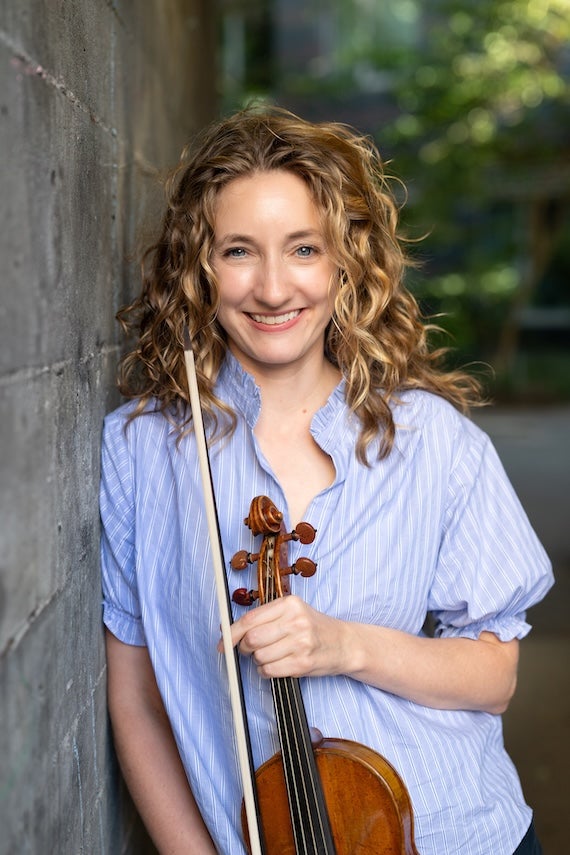 Violinist Beth Wenstrom’s is a founding member of the “eclectic and electrifying early-music ensemble,” ACRONYM (Boston Globe), which has recorded more than ten albums of lesser known 17th century works. She has performed with Trinity Wall Street Baroque Orchestra, New York Baroque Incorporated, Sebastian Chamber Players, and TENET, Apollo’s Fire, Orchestra of the Age of Enlightenment, the Irish Baroque Orchestra, the Boston Early Music Festival Orchestra and other ensembles throughout the country and abroad. Beth teaches baroque chamber music both at The Juilliard School and at SUNY Stony Brook. She has taught violin and baroque orchestra as a recurring guest teacher at Oberlin Conservatory. She has also coached at Cornell University, Rutgers University, Vassar College, as well as summer institutes such as the Baroque Performance Institute at Oberlin and the Amherst Early Music Festival.
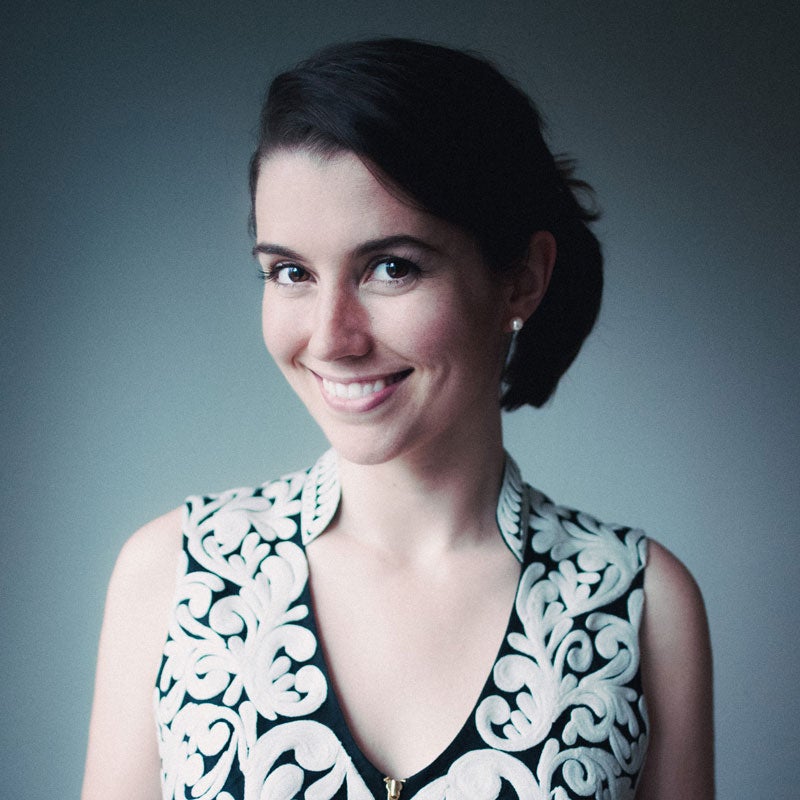 A versatile and joyous musician, Canadian-American soprano Molly Netter enlivens complex and beautiful music, both old and new, with “a natural warmth” (Los Angeles Times) and “clear, beautiful tone and vivacious personality" (New York Times). She can be heard on five Grammy Award-nominated albums since 2017 and has performed as a soloist with ensembles such as the Chicago Symphony Orchestra, New World Symphony, the Boston Early Music Festival, Apollo’s Fire, Musica Angelica, Contemporaneous, Juilliard415, Heartbeat Opera, and the Bang on a Can All-Stars. She has been a full-time member of the Choir at Trinity Wall Street since 2015.
Netter is an active performer, curator, educator, and advocate of new music, regularly commissioning new works by living composers. Recent collaborators include David Lang, Julia Wolfe, Amy Beth Kirsten, Doug Balliett, Katherine Balch, Molly Joyce, and Jessica Meyer, among others. Notable chamber performances include the inaugural casts of the Pulitzer Prize-winning operas Angel’s Bone (by Oberlin alumna Du Yun '01, in 2015) and PRISM (Ellen Reid, 2017). She was a featured curator/performer on Trinity Wall Street’s acclaimed 2018 Time’s Arrow Festival, programming an eclectic evening of music by Barbara Strozzi paired with newly commissioned contemporary works. In 2020 she began commissioning an entirely new repertoire for self-accompanied singer and clavicytherium, emphasizing the florid voice, early music vocal techniques, and improvisation as a bridge between style and genre.
Netter earned a BM in composition and contemporary voice from Oberlin Conservatory and an MM in early music voice from the Yale Institute of Sacred Music.
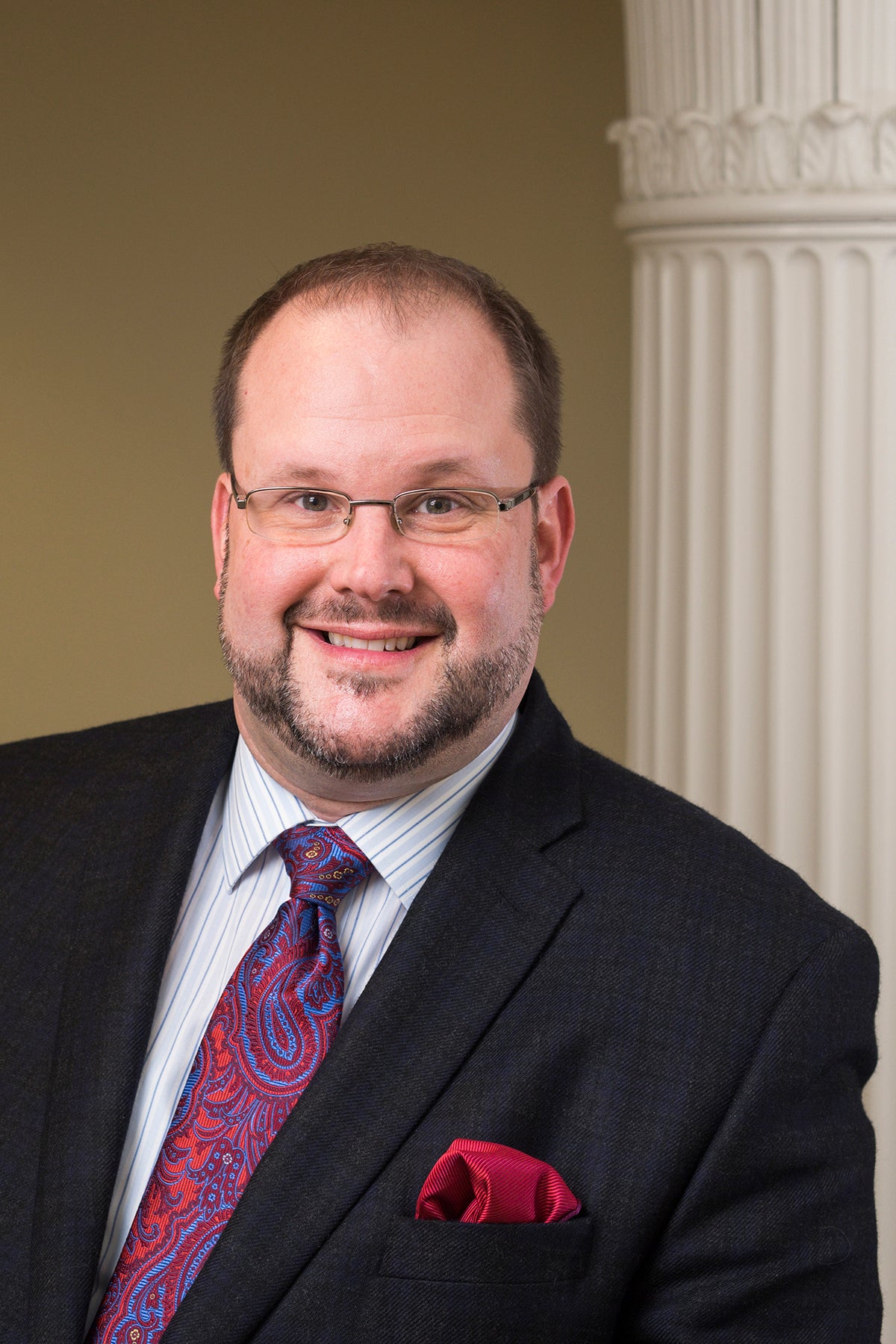 With an extensive repertoire ranging from the medieval period to the twenty-first century, tenor James Taylor devotes much of his career to oratorio and concert literature. As one of the most sought-after Bach tenors of his generation, he has performed and recorded extensively with many of today’s preeminent Bach specialists, including Nicholas Harnoncourt, Philippe Herreweghe, René Jacobs, and Masaaki Suzuki. Since 1993, Taylor has maintained a close relationship with conductor Helmuth Rilling and the International Bach-Academy Stuttgart, performing and teaching master classes worldwide. On several occasions, he has been a juror and consultant for the International Bach-Competition Leipzig. In 2008 he debuted with the New York Philharmonic under the direction of Kurt Masur, singing the role of the Evangelist in Bach’s St. Matthew Passion. Taylor’s career as an oratorio specialist has taken him throughout the United States, South America, Japan, Korea, and Israel, and to virtually all the major orchestras and concert halls of Europe. He is particularly proud to have performed Britten’s War Requiem in the Munich Residence on the sixtieth anniversary of the end of World War II. Taylor has recorded extensively on the Hänssler, harmonia mundi, Limestone, Naxos, and ArkivMusik labels. He joined the Yale Institute of Sacred Music faculty in 2005 and serves as coordinator for the voice program in Early Music, Art Song, and Oratorio.
Michael Lynn (recorder, baroque flute) has enjoyed a long career as an Oberlin Conservatory professor of recorder and Baroque flute. He has performed internationally with such groups as Apollo's Fire, Mercury Baroque, the Smithsonian Chamber Players, Boston Early Music Festival, and others. He has given workshops around the country and is well known for his knowledge of historical flutes.
 Priscilla Herreid is principal oboist of Boston Baroque, Tempesta di Mare, the Sebastians, and New York Baroque Inc., and often appears with the Handel and Haydn Society, Trinity Baroque, Philharmonia Baroque, and Venice Baroque. Former director of the Early Music Ensemble at Temple University, she is now artistic director of the Renaissance wind band Piffaro, and can also be heard providing live accompaniment to silent films with Hesperus, and singing the Latin Mass in New York City.
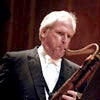 Andrew Schwartz (Baroque bassoon, week 2) is a soloist, chamber musician, and orchestral player. He is a member of the New York Chamber Soloists and has performed with a range of artists and groups, from Winton Marsalis to the Metropolitan Opera Orchestra. He is principal bassoon with the Handel and Haydn Society, Boston Baroque, Trinity Baroque Orchestra, and the American Classical Orchestra.
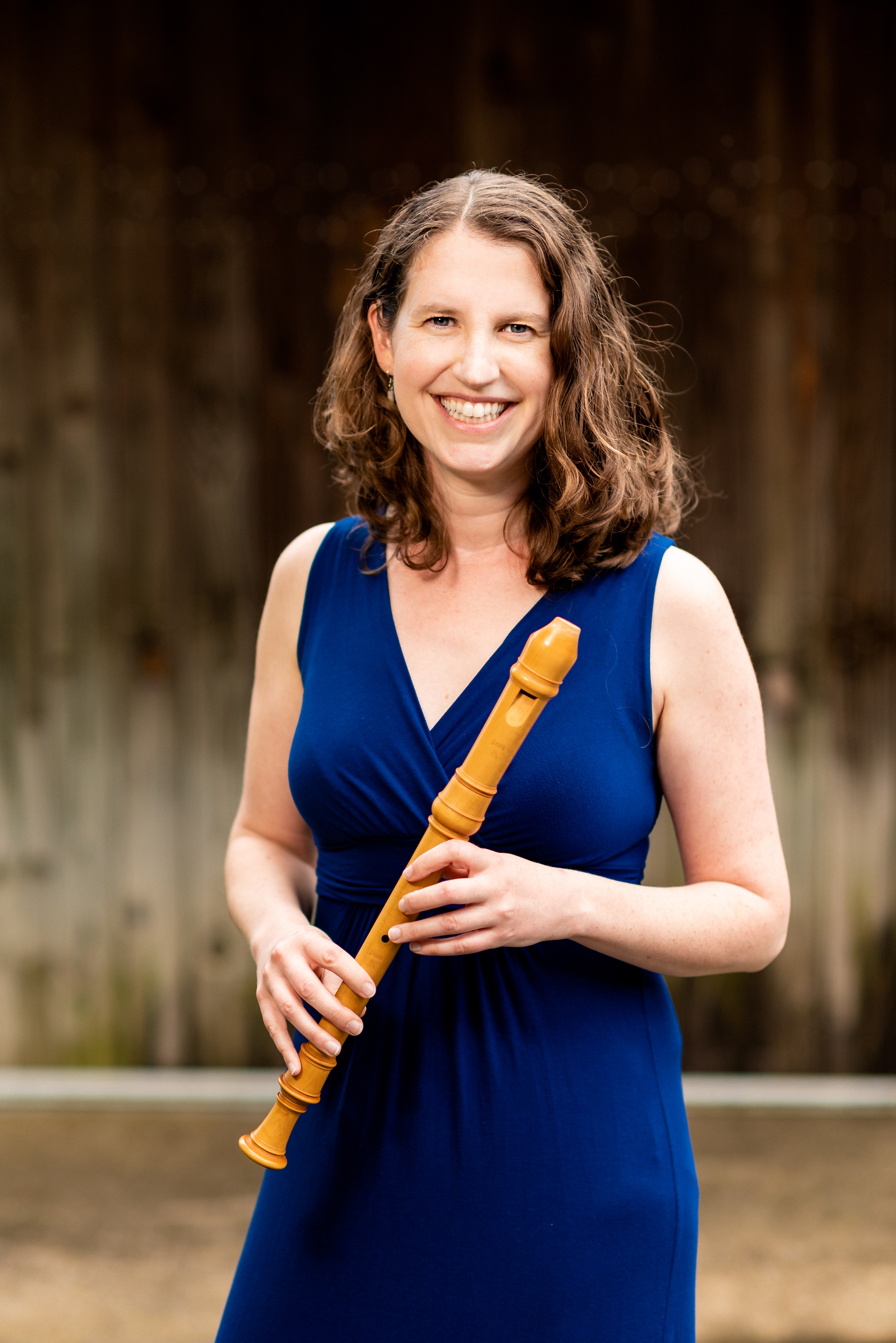 Anne Timberlake (recorder) has appeared across the United States performing repertoire from Bach to twenty-first-century premieres. She holds degrees in recorder performance from Oberlin Conservatory and Indiana University. Critics have described her playing as "dazzling" (Chicago Classical Review) and "preternaturally persuasive" (The Ann Arbor Observer). A Fulbright grantee, Anne won Early Music America’s 2011 Naxos Recording Competition with her ensemble Wayward Sisters. Anne is a passionate and prolific teacher, and has led over 200 recorder workshops in 20 states. Find Anne at www.annetimberlake.com
Julie Andrijeski (Baroque violin, Baroque dance, week 1) is senior instructor and director of Baroque music and ensembles at Case Western Reserve University. She leads classes in historical performance practices, teaches Baroque violin, and directs the Baroque orchestra, chamber, and dance ensembles. She also is artistic director of Atlanta Baroque, codirector of Quicksilver; principal player with Apollo’s Fire, and a member of Les Délices, the Boston Early Music Festival Orchestra, and the King’s Noyse.