Lovely and Local
January 9, 2026
Stephanie Manning '23
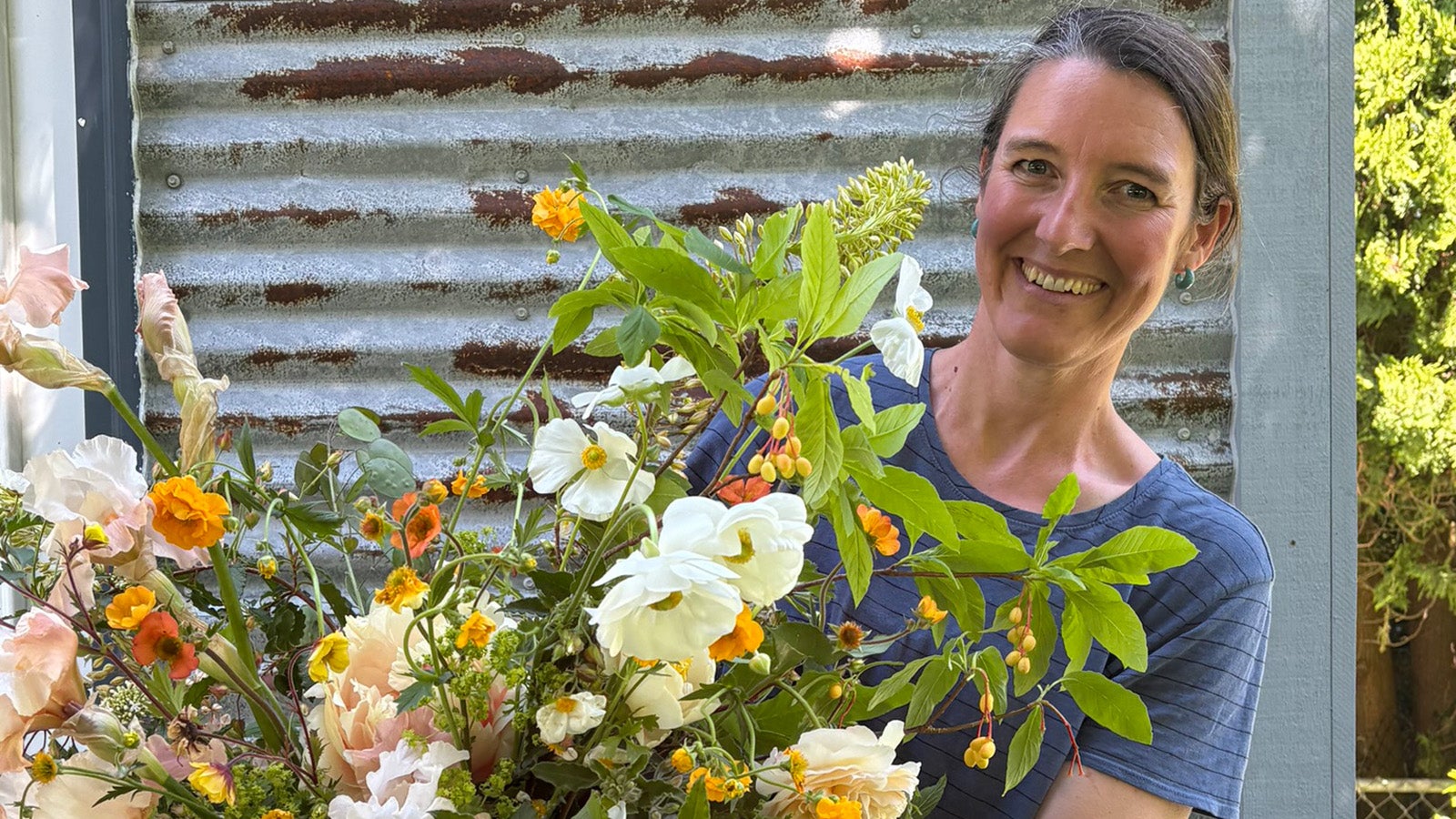
Header photo: At Oberlin, Annika McIntosh '01 found the most fulfillment in classes like botany or hydrogeology: “Personally, what made more sense to me was to focus on the wonder of what we need to protect.”
Header photo credit: Courtesy of Annika McIntosh '01
Growing up off-grid in upstate New York taught Annika McIntosh ’01 some early life lessons about connecting with the environment. “We had the luxury of inheriting land, so we had land to raise cows, a big garden, and woods to get firewood from,” she says. That upbringing instilled an innate sense that “everything we do should be centered around this question of sustainability—making as little impact as we can on Earth.”
Her arrival at Oberlin coincided with an exciting time for the environmental studies department, with construction on the Adam Joseph Lewis Center for Environmental Studies nearing completion. Faced with grave messaging about the environmental and climate crisis, she says she found the most fulfillment in classes like botany or hydrogeology. “Personally, what made more sense to me was to focus on the wonder of what we need to protect.”
Today, McIntosh puts her energy toward appreciating Earth’s natural bounties through her company Hazel Designs, which offers local flowers for weddings and events in the area around Bellingham, Washington. “I really love the lifestyle,” she says, as she gets to spend her days outside and working one-on-one with her clients. “For me, that’s also an aspect of sustainability — living a happy life.”
After graduation, McIntosh spent a few years in Montreal, where she helped found the food collective Midnight Kitchen at McGill University—an experience she credits to her time working in Oberlin’s co-ops. She then earned a degree in landscape architecture from the University of Washington before working in garden maintenance and landscape design around the greater Seattle area.
Starting to grow her own flowers then opened up a whole other area of interest. Concerned about issues in the mainstream flower industry, including poor working conditions and the reliance on herbicides, “I started educating myself about the practicalities of growing flowers, selling them, and using them, and also why that’s important.”
McIntosh is a member of Slow Flowers, a directory of florists who sell local, domestic blooms. The philosophy is similar to the Slow Food movement, which prioritizes “minimizing travel miles, maximizing nutrition, and keeping dollars spent locally,” she says. Through Hazel Designs, she offers custom arrangements, bouquet subscriptions, and wedding flowers, plus garden consultations and design. For the flowers she can’t grow on her own, she buys from local farmers or the Seattle Wholesale Growers Market.
Weddings have become a particular focus for her, as she creates custom, low-impact flower designs for couples on their special day. “Weddings are already extremely wasteful,” she says, adding that she’s recently become involved with a network of environmentally conscious planners and vendors called Emerald Hour. “So we’re trying to educate people about that and offer some really delightful alternatives.”
She’s also been teaching the next generation via a garden class at her daughter’s school. “I really love working with kids and catching them at that stage where there’s still a lot of wonder,” she says. “It’s really important to understand all of the processes that have enabled a meal to appear on your plate or flowers to appear on your table.”
This article originally appeared in the Fall 2025 Oberlin Alumni Magazine within the feature "Rooted In Purpose."
You may also like…
Jane Wickline ’21 Finds Community in Comedy
A Q&A with the Saturday Night Live cast member and Dukes cofounder
When Stars Align
The Oberlin Contemporary Music Ensemble shines on Jennifer Koh ’97’s "The American Concerto, Volume One."
Wright On, Sister
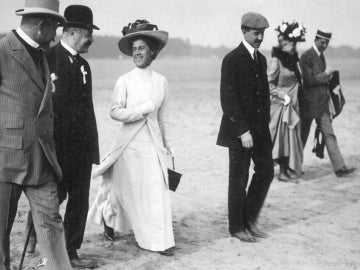
Would the Wright brothers have invented their airplane without the support of their sister, Katharine Wright Class of 1898? Probably. But they might not have been the first.