
Student Project Profile
Disruption of Violence Against Women in Latin America and the United States
Project Title
Disruption of Violence Against Women in Latin America and the United States
Faculty Mentor(s)
Project Description
Feminism, a movement that aims toward social and political equality of the sexes, is tied to fundamental human rights ideals of safety and bodily autonomy. The framework was popularized at the 1848 Seneca Falls conference in New York City with the goal of attaining women’s suffrage and has been translated and transplanted across the globe. Despite the United States playing a large part in establishing international human rights tradition, it struggles to incorporate feminist frameworks from abroad into its own domestic policy. In Mexico and Argentina, recent feminist movements focus on raising awareness of femicide, the killing of a woman or girl on account of her gender. Comparatively, in the US, feminism has primarily centered around denouncing sexual harassment and workplace discrimination. I aim to explore this difference in priority by examining feminist mobilizations and social and political change in Argentina, Mexico, and the US. The goal of my research is to explore how the fight against femicide impacts the success of feminist movement in Latin America, and that the absence of this agenda in the US reveals motives of American Exceptionalism.
Why is your research important?
My research is important because it raises awareness of gender violence that occurs globally and within the US. My research highlights the invisibilization of femicide in the US and suggests reasoning for its absence in US rhetoric and policy. I think it's important to bring feminism from various cultures in conversation with one another in order to increase international perspective and strengthen human rights policies.
What does the process of doing your research look like?
My research mainly consists of reading scholarly articles and analysing literature and tweets related to feminist movement in my three countries of focus. I use these sources to understand femicide and to draw conclusions about the use of the term in influencing social and political change.
What knowledge has your research contributed to your field?
My research contributes to the field of feminist studies, by bringing human rights, American Exceptionalism, and International feminist movements in conversation with one another.
In what ways have you showcased your research thus far?
I have spoken openly about my project with my friends and mentor, and have opted to make my research paper available to any audience via the Oberlin Research Summer Institute (OSRI) website. Additionally, I plan to make my research more accessible through the creation of a zine that will include information, infographics, and statistics related to my research. I also presented by research at the Oberlin Research Summer Institute Research Symposium.
How did you get involved in research? What drove you to seek out research experiences in college?
I got involved in research in small increments through my classes at Oberlin and had the desire to do a long form project after returning from my abroad experience. I had a strong desire to contribute my perspective, because I didn’t see it represented in scholarly literature.
What is your favorite aspect of the research process?
My favorite aspect of the research process happens after a large amount of reading, writing, and analysis, when I can conceptualize a pathway from start to finish that connects my ideas. After many mentor meetings and exploring different concepts, this happened when I learned about the theory of American Exceptionalism in international human rights and how it connects with my overall project.
How has working with your mentor impacted the development of your research project? How has it impacted you as a researcher?
My mentor has helped me by allowing my interests, ideas, and passions to lead my research, while also providing support, new sources, and advice to aid me in my journey. I feel that my mentor has helped me believe that I am capable of research and that my perspective is valuable, which I wasn’t sure of before I began my research experience.
How has the research you’ve conducted contributed to your professional or academic development?
My experience at OSRI has given me a lot of insight into the world of social sciences and humanities research. My new perspective will help me navigate professional opportunities beyond Oberlin, and I understand better whether or not I want to continue research in the future. The research I have conducted has also helped me strengthen my analytical and presentation skills.
What advice would you give to a younger student wanting to get involved in research in your field?
I would encourage a younger student to follow their research passions and make sure that their work and research question is aligned with their interests and values. I would also advise a younger student to keep an open mind and to be prepared for your initial thoughts and ideas to change greatly over the course of their research journey as they learn more about the topic.
Students
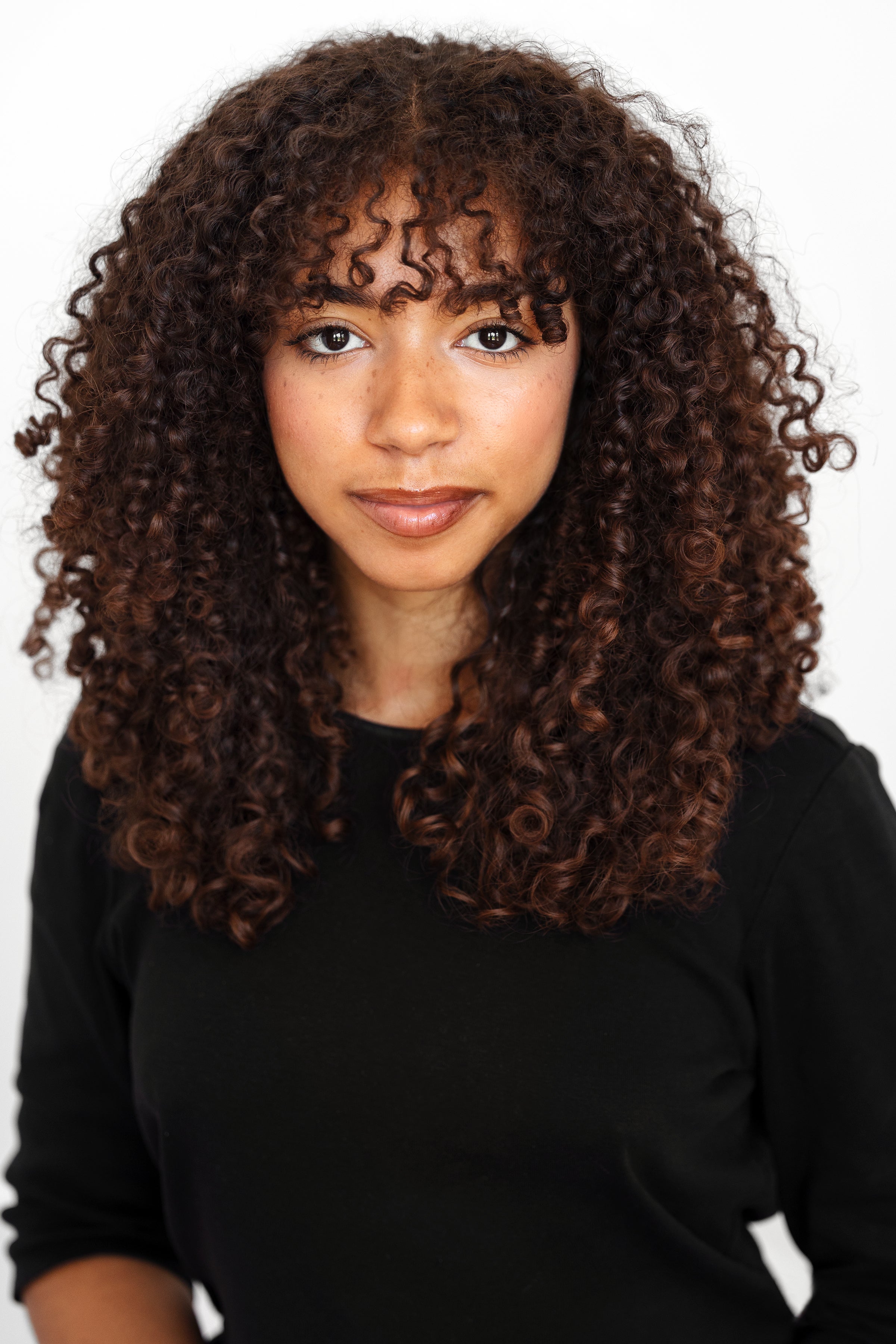
Clarady Brooks ’27
third-year- Major(s):
- Communication Studies