
Student Project Profile
Chasing the vector: Mosquito populations in Oberlin, Ohio
Project Title
Chasing the vector: Mosquito populations in Oberlin, Ohio
Faculty Mentor(s)
Project Description
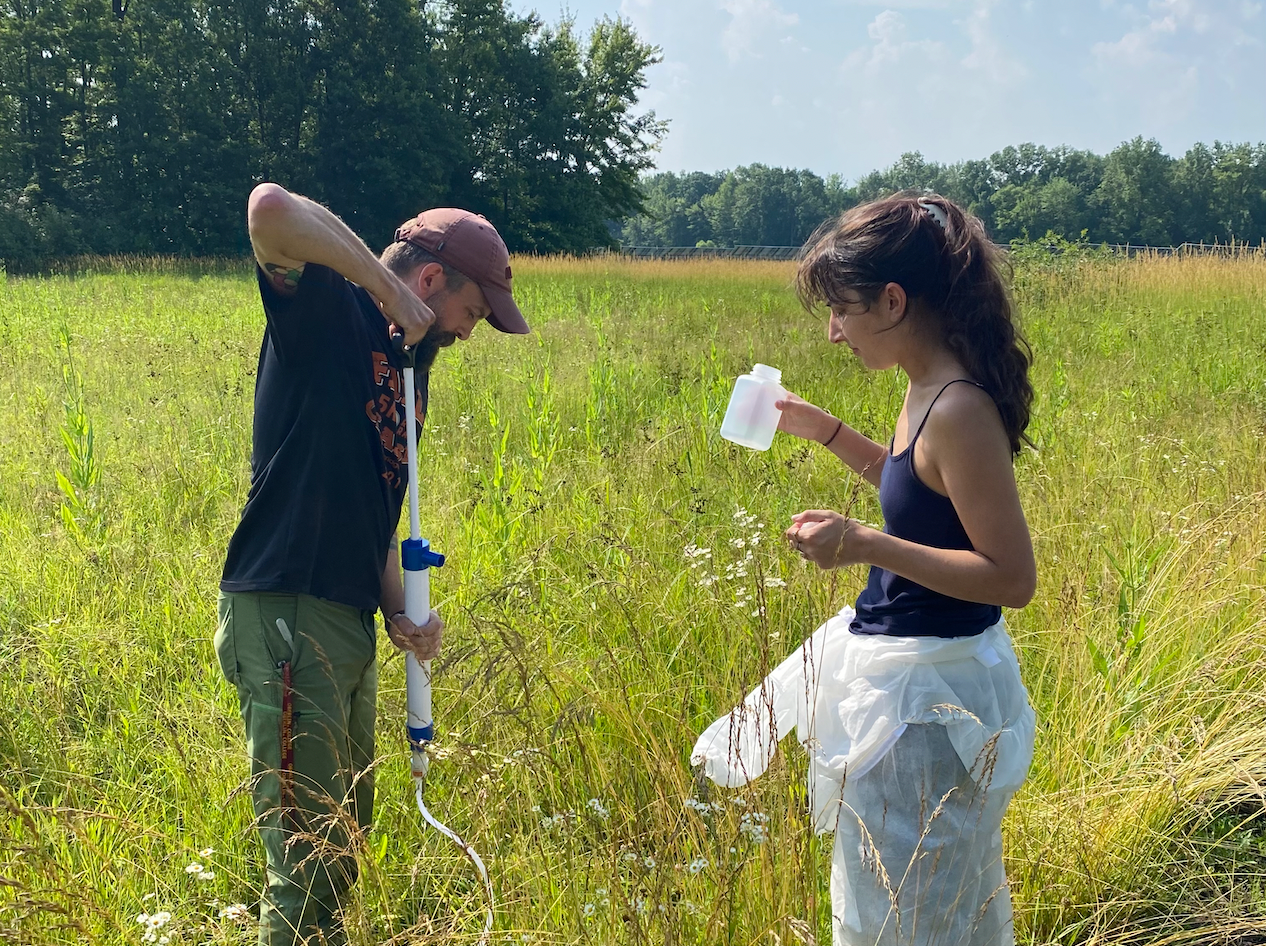
Tracking mosquito species is an important method to monitor and prevent the spread of vector-borne diseases. For example, West Nile virus, a vector-borne disease, is spread by the Culex mosquito, native to Ohio. Global warming and human movement have led to large changes in Ohio mosquito populations. The Pike Lab has hypothesized that mosquitoes inhabit the crayfish burrows in Oberlin, and the lab has been both catching mosquitoes and developing methods of rearing various mosquito species in and around Oberlin. The goal of our project is to investigate and document the distribution of mosquito populations over time in and around crayfish burrows. Ultimately, we seek to discover how the populations of different mosquito species fluctuate both seasonally and across ecological niches. Using various methods of mosquito collection as well as environmental DNA sampling, we will build a database of mosquito species in Oberlin. We have currently identified seven different species through larval dipping, egg traps, and CDC light traps that were set around Oberlin. We next plan to identify mosquito eDNA in water samples from crayfish burrows in order to confirm the presence of mosquitoes and further analyze their species distribution. Tracking these mosquito populations and how they fluctuate will give insight into the risk of vector-borne disease transmission in northern Ohio.
Why is your research important?
Charting mosquito distribution can have direct effects in the field of infectious disease, as vector-borne diseases contribute to more than 17% of all diseases. Understanding and preventing the proliferation of mosquitoes can prevent the 700,000 deaths that occur annually due to vector-borne diseases.
What does the process of doing your research look like?
My research involves a lot of fieldwork. I spend many mornings in fields around Oberlin collecting mosquito larvae in pools of water, adult mosquitoes with an aspirator, and eggs with an egg trap. I generally spend the afternoons in the lab, extracting and analyzing mosquito DNA. Additionally, I am assisting Pike in rearing a colony of mosquitoes from egg to adult in our insectary. We identify the species of these mosquitoes using a dichotomous key.
What knowledge has your research contributed to your field?
The research regarding species of mosquito larvae specifically residing in crayfish burrows is somewhat limited, though there has been research on the positive correlation between invasive crayfish and mosquito survival. However, we aim to identify the patterns of mosquito populations and how they change over time in these specific environments. Our research is unique to Ohio, which has experienced an increase in mosquitoes due to global warming.
In what ways have you showcased your research thus far?
I presented my findings at the Oberlin Summer Research Institute Symposium.
How did you get involved in research? What drove you to seek out research experiences in college?
I think the best way to get involved in research is to build a connection with a professor whose work interests you. I learned about Pike’s research in his introductory biology class in my first semester at Oberlin. The next year, I met with him during his office hours to discuss research opportunities, and I was able to join his lab in the Spring.
What is your favorite aspect of the research process?
I have really enjoyed learning the intricacies of mosquitoes. I view mosquito larvae completely differently than I did before joining Pike’s lab.
How has working with your mentor impacted the development of your research project? How has it impacted you as a researcher?
To most people, mosquitoes are nuisances. Pike has a thorough understanding of these seemingly insignificant bugs that has really rubbed off on me.
How has the research you’ve conducted contributed to your professional or academic development?
Through research, I have learned how to develop questions to study and methods to answer them. I feel like I have a strong toolbox for solving problems and troubleshooting.
What advice would you give to a younger student wanting to get involved in research in your field?
When I first started at Oberlin, I didn’t think I was experienced or knowledgeable enough to join a lab, but that wasn’t true. If you are willing to learn, there are always professors willing to teach!
Students
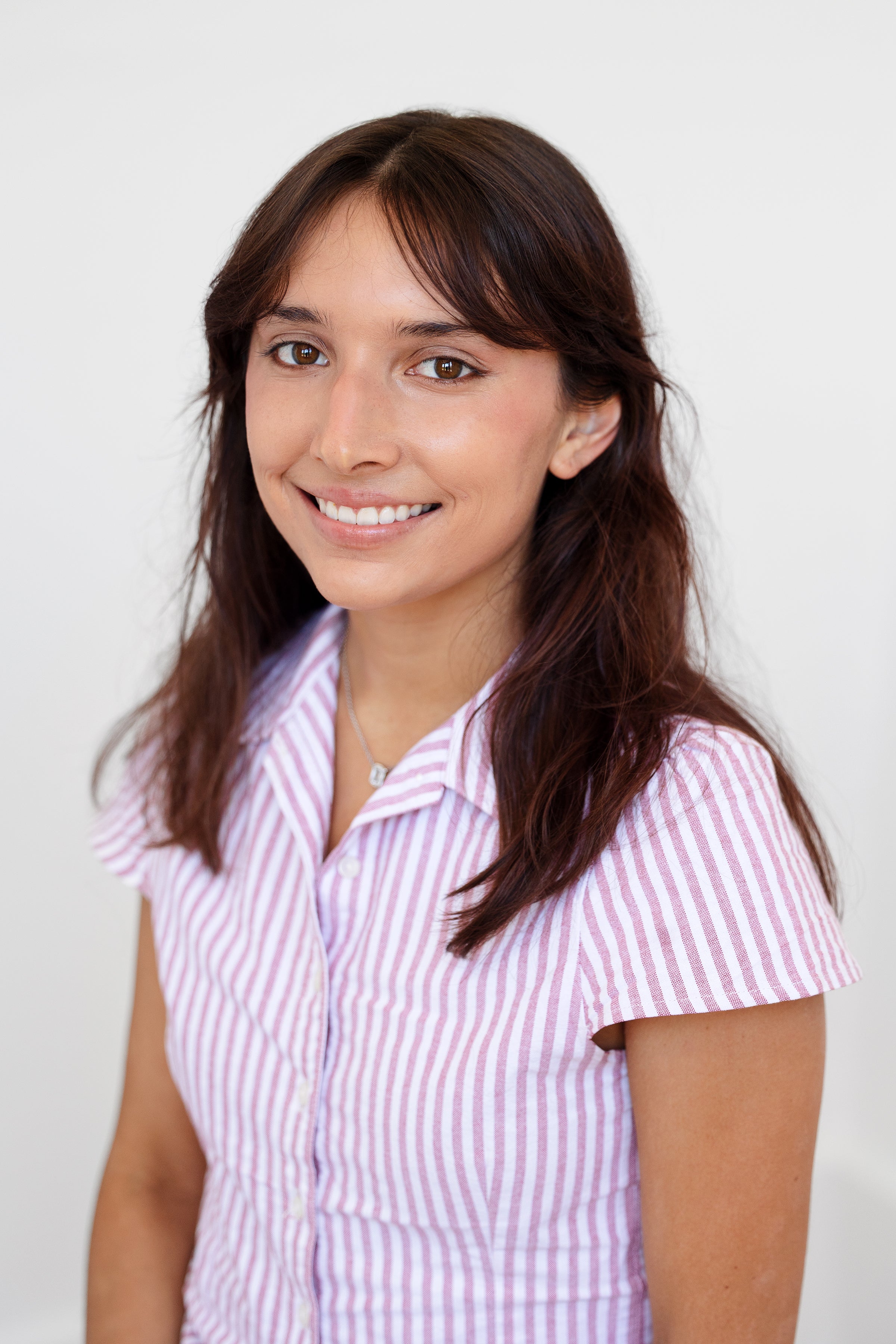
Addie Matsumura ’26
fourth-year- Major(s):
- Biology