
Student Project Profile
the archive: fashion as anthropology
Project Title
the archive: fashion as anthropology
Project Description
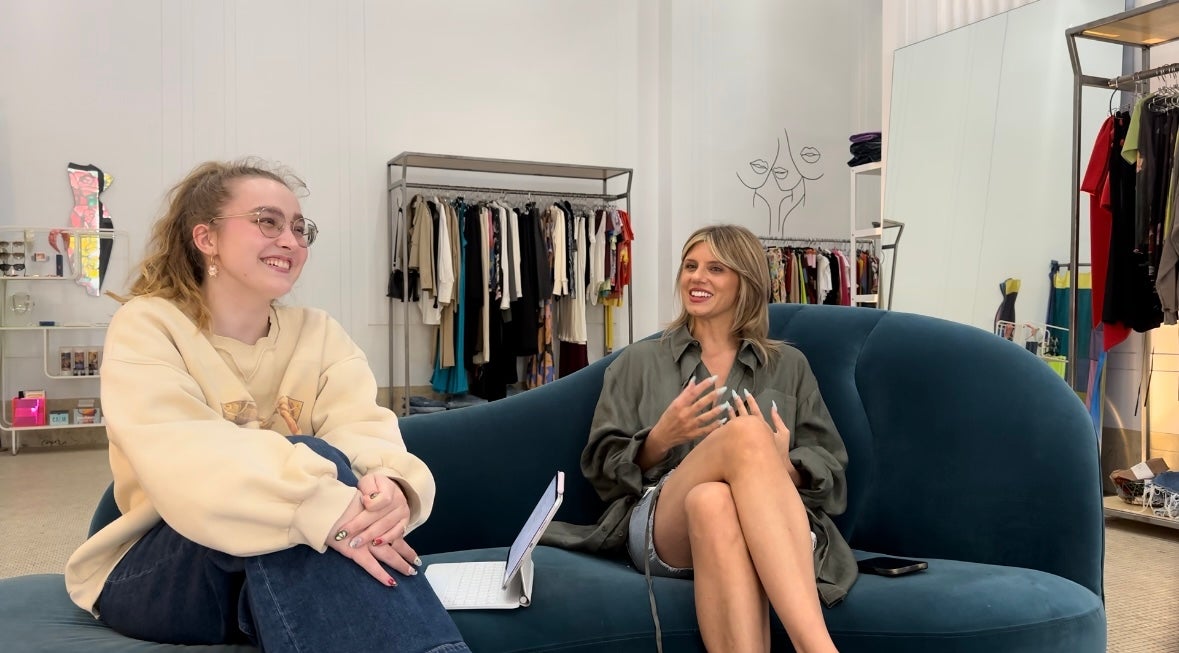
To me, fashion is more than fabric—it's a living archive of human stories. "the archive: fashion as anthropology" explores these stories, treating fashion as a form of cultural preservation. This project, launched during my winter term at Boro Detroit, a consignment and vintage store, and expanded with my summer Internship+ grant, turns each garment into a storyteller. At Boro, I styled and modeled pieces, managed daily operations, and spearheaded a digital archive that allows garments to "speak"—QR codes on select tags link to research and interviews with past owners, turning each piece into a storyteller. To share these stories globally, I launched a newsletter and Instagram reaching audiences across borders. the archive does more than document fashion; it reclaims it as anthropology, encouraging thoughtful consumption by connecting people with the histories and identities embedded in what they wear. This is about fashion as education, as memory, as connection, as a call to rethink what we wear and why.
Why is your research important?
A lot of people wear clothes, most of the time, but have you ever thought about where your clothes came from or who wore them before you? Fast fashion has disconnected us from these questions, turning clothing into something cheap and disposable. By giving these garments a chance to share their backstory, the archive counters this detachment, showing that fashion isn’t just about trends or profits—it’s about identity, history, and cultural memory.
What does the process of doing your research look like?
I conduct interviews with consignors, digging into any memories behind the pieces they’ve brought in—like a 1960s prom dress or a skirt that’s traveled all over the world. Watching people’s faces light up as they relive these stories they’re telling is really magical. When I can’t interview directly, I turn to Vogue archives and other fashion sources to research the styles and eras of each piece. I also style items for photoshoots, create digital collages, and share a weekly newsletter to bring these stories to life.
What knowledge has your research contributed to your field?
My research has highlighted the importance of sustainable, story-rich fashion and has opened up conversations about our relationship with clothing and consumption. By reintroducing storytelling into fashion, the archive presents an alternative to fast fashion—one that values sustainability, identity, and connection.
In what ways have you showcased your research thus far?
the archive’s website has been viewed by hundreds across nine countries, and its Instagram account has reached over 3,000 views. I also curated a final exhibit with Boro in Detroit this past August, bringing the archive into a physical space where viewers could experience the garments and their histories firsthand.
How did you get involved in research? What drove you to seek out research experiences in college?
I’ve always loved fashion, but I thought of it as separate from academic research until I studied abroad in Paris. There, I saw fashion as a natural form of self-expression and a sort of daily performance, and I realized how much it shapes and reflects us. Working with Boro brought this realization to life, as so many pieces I encountered were steeped in personal and cultural memory.
What is your favorite aspect of the research process?
Talking with consignors is the highlight—learning where their clothes have been and what they’ve meant to them. From pearl earrings to leather jackets, each story is like a snapshot of someone’s life. I also love styling for photoshoots and designing collages, as it lets me showcase the essence of community members and their clothes.
How has working with your mentor impacted the development of your research project? How has it impacted you as a researcher?
The women I spent the summer with at Boro, Miriam and Rachel, are endless sources of inspiration. Miriam has a gift for connecting with people, treating every customer like a lifelong friend, which reminded me of the importance of building genuine relationships in anthropological research. Rachel, a fashion encyclopedia, taught me how to sew and mend, giving me skills I now use to design and upcycle clothes. Both Miriam and Rachel have such a unique eye for style and timeless elegance that I have gratefully gleaned from my time with them.
How has the research you’ve conducted contributed to your professional or academic development?
Through the archive, I’ve gained hands-on experience in combining fashion history with sustainable practices. It’s shaped my vision for a future career, inspiring me to develop a fashion line that integrates creativity with environmental responsibility, rooted in storytelling and cultural preservation. It’s taught me that fashion is an invaluable tool for education.
What advice would you give to a younger student wanting to get involved in research in your field?
Don’t be afraid to take a non-traditional path. Fashion is often seen as superficial, but if you’re curious and willing to dig deeper, you’ll find it’s a powerful lens for understanding culture and identity. Start by asking questions about the clothes around you—where they’ve been, who wore them, and what they’ve witnessed. The stories you uncover might surprise you.
Students

Ana Morgan ’25
fourth-year- Major(s):
- Anthropology , Theater