
Student Project Profile
Different Worlds, Double Standards?: American Attitudes Towards Sexism and Homophobia in the Arab/Muslim World Compared to the United States
Project Title
Different Worlds, Double Standards?: American Attitudes Towards Sexism and Homophobia in the Arab/Muslim World Compared to the United States
Faculty Mentor(s)
Project Description
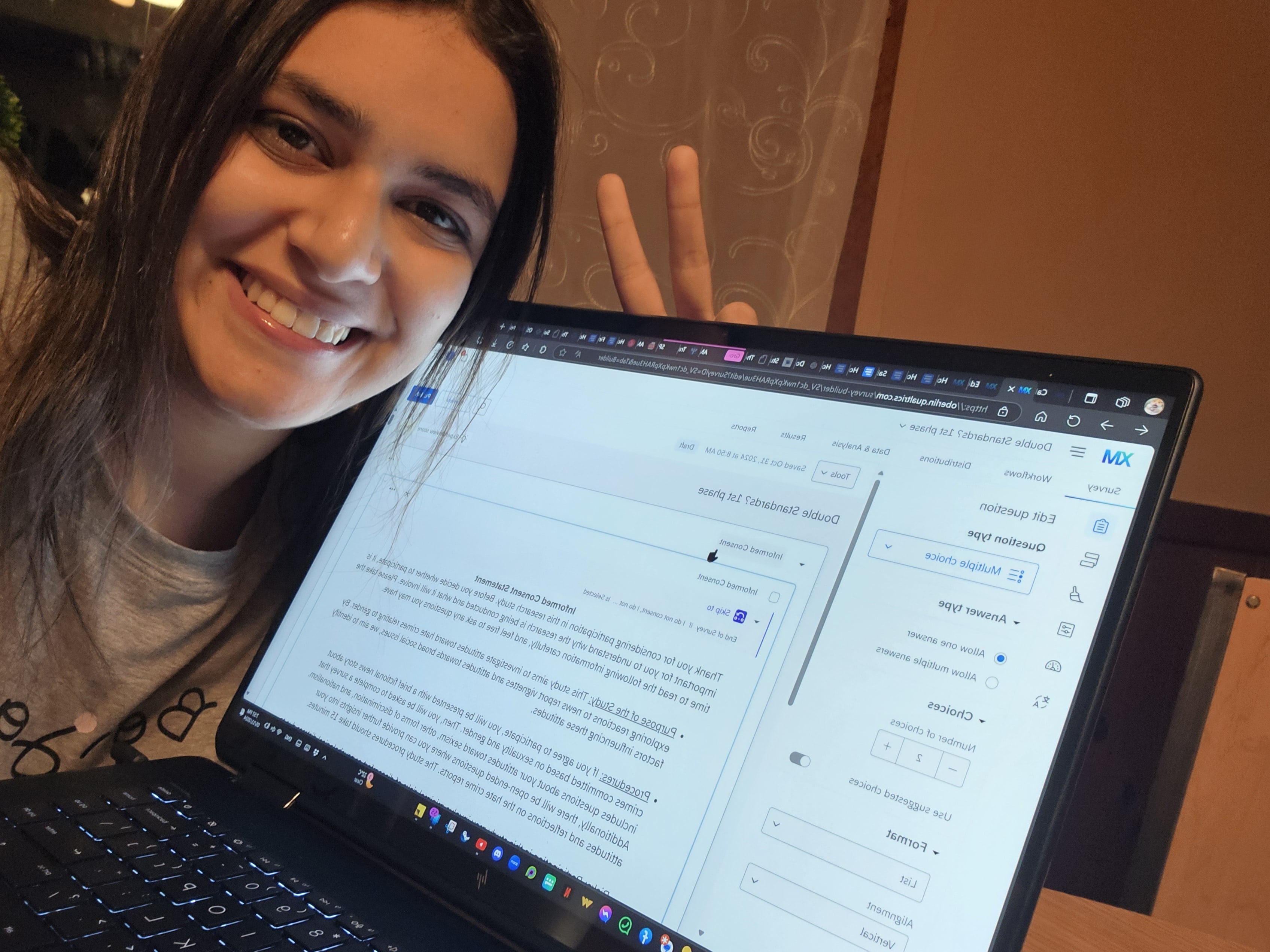
My research project explores the differences in Americans’ perceptions when sexist and queerphobic hate crimes are situated in Arab/Muslim contexts versus in the United States and how it affects American attitudes toward Arab and Muslim communities. This study aims to test whether framing hate crimes in an Arab/Muslim context evokes stronger or more prejudiced responses compared to similar narratives set in the U.S., probing into the factors that may impact a difference in reaction, such as political ideology and proximity to Arab/Muslim people. I hypothesize that individuals sharing marginalized identities, particularly those familiar with discrimination in the U.S., may respond differently than others to these vignettes, potentially showing reduced variation across the Arab vs. U.S. conditions.
Why is your research important?
This research is important because it sheds light on how cultural narratives shape American attitudes toward Arab and Muslim communities, particularly when framed by issues like sexism and queerphobia. By comparing reactions to hate crimes set in the Arab/Muslim world versus the U.S., the study explores whether these differing frames reinforce stereotypes or challenge them. In real-world terms, understanding how these narratives influence public perceptions can help inform anti-discrimination efforts, guide policy changes, and improve how marginalized communities are represented and treated in both media and society.
What does the process of doing your research look like?
The process of my research involves several key steps. First, I developed a set of vignettes that describe hate crimes framed through sexism or queerphobia, placing them either in the Arab/Muslim world or the U.S. Next, I use surveys to collect data on participants' reactions to the vignettes, including their emotional responses and attitudes toward the affected communities. Once the data is collected, I will analyze it to compare how exposure to different narratives influences attitudes toward Arab and Muslim communities, particularly looking for patterns that suggest shifting societal narratives about gender and sexuality.
In what ways have you showcased your research thus far?
I haven’t showcased this specific research yet, but in general, I’ve shared my work at academic conferences, both individually and with my previous faculty advisor, Professor Phoenix Crane. I’ve also presented in class discussions and smaller workshops, which have provided valuable feedback and helped refine my research. These opportunities have allowed me to engage with a broader academic community and continuously improve my work.
How did you get involved in research? What drove you to seek out research experiences in college?
Initially, I found research methods classes burdensome, but I realized that I enjoyed the process of discovery and analysis, which led me to join the LACE Lab with Professor Crane. My experiences working with marginalized communities through volunteer roles and advocacy further fueled my desire to explore these issues in depth, and I wanted to use research as a tool to challenge stereotypes and better understand how identity and prejudice shape people’s experiences.
What is your favorite aspect of the research process?
My favorite aspect of the research process is exploring how diverse perspectives and experiences shape the way we understand complex social issues. Research allows me to investigate how intersecting factors influence real-world outcomes, and I find it rewarding to contribute to a deeper, more inclusive understanding of the issues that affect marginalized communities.
How has working with your mentor impacted the development of your research project? How has it impacted you as a researcher?
Working with my mentor, Professor Rebecca Totton, has been essential in shaping the development of my research project. Her guidance has been crucial in refining my hypotheses and methodology, helping me stay focused on the core aspects of my study. Professor Totton has pushed me to think more deeply and rigorously, providing insights that have enhanced my ability to analyze complex social issues. Her mentorship has been invaluable in both shaping my current project and fostering my growth as a researcher.
How has the research you’ve conducted contributed to your professional or academic development?
Academically, it has sharpened my critical thinking, analytical abilities, and my capacity to approach problems from multiple perspectives, which has enriched my coursework and overall academic performance. Professionally, research has strengthened my ability to design and carry out rigorous studies, communicate findings effectively, and navigate challenges in real-world research settings. It has also deepened my passion for working with marginalized communities and informed my career aspirations, particularly in areas like social justice, advocacy, and policy-making.
What advice would you give to a younger student wanting to get involved in research in your field?
I would advise a younger student to start by exploring different areas of interest and seek out professors or research assistants whose work aligns with their passions. Don’t be afraid to ask questions or approach faculty for opportunities, even if you feel you’re not fully prepared. Research is a learning process, and being proactive is key! Be open to starting with smaller tasks, like literature reviews or data entry, to gain experience and build confidence. Most importantly, stay curious and persistent; research can be challenging, but it’s incredibly rewarding, and the skills you develop will serve you in many areas of your academic and professional journey.
Students
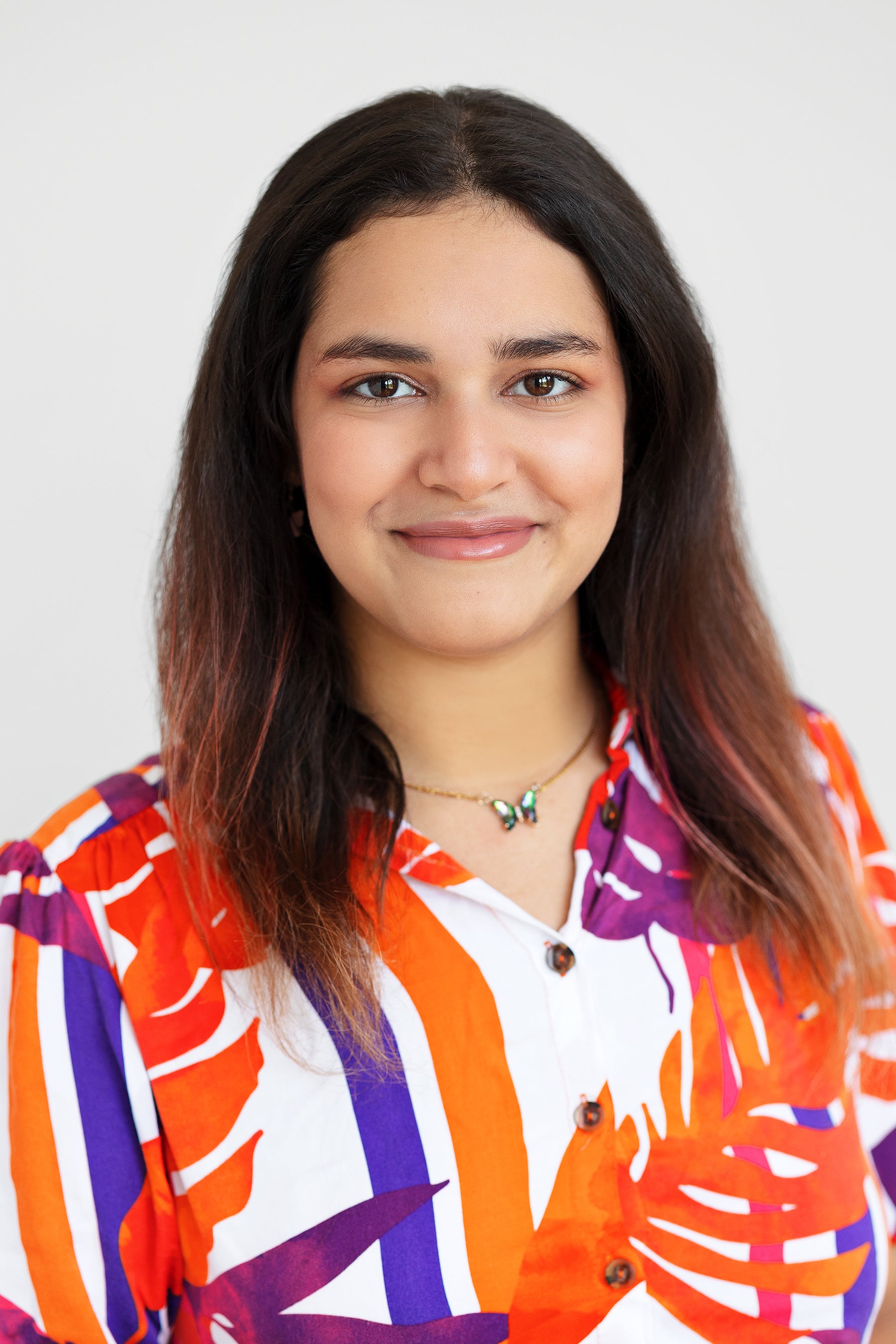
Salma Mo. Ah. ’25
fourth-year- Major(s):
- Psychology, Politics