
Program Overview
Sociology
If people define situations as real, they are real in their consequences.
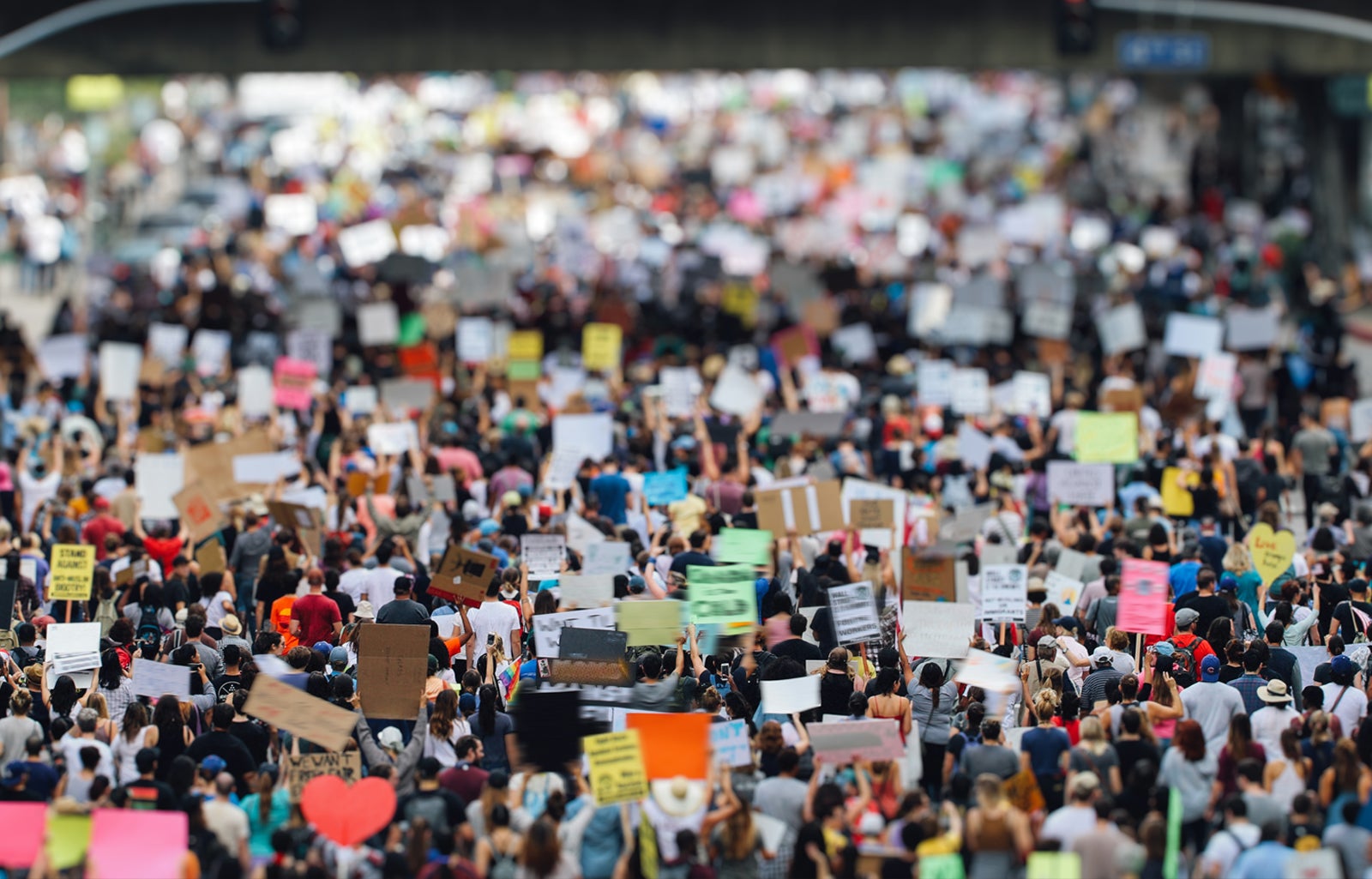
The Study of Collective Behavior
Featured Facts and Stories
Oberlin College introduced its students to the study of sociology in 1890 making it one of the first colleges in the country to offer instruction in this field.
Student Research
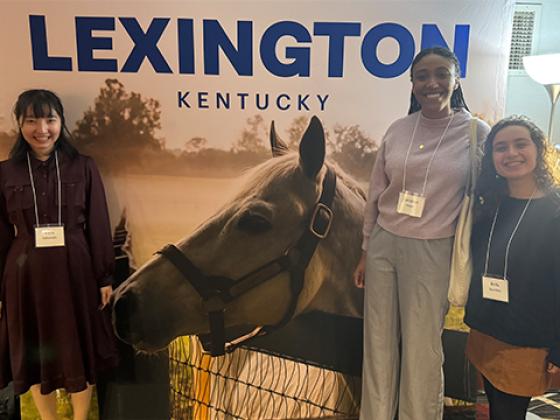
Three Oberlin sociology majors presented at the 2025 North Central Sociological Association annual meeting on April 4th in Lexington, Kentucky. Bella Saunders ’25 and Cami Sweet ’25 presented their research on “The Centrality of Food as a Stressor, Coping Mechanism, and Connector for Division III Student-Athletes: A Photovoice Study,” and senior Kana Sakamoto presented research on challenges faced by first-generation and income-eligible college students.
Oberlin College is among the top producers of Fulbright scholars in the United States.
Tackling Racism and Ageism
What if people who possess years of hard-earned skills and knowledge experience prejudice at their jobs for looking younger than they are? Associate Professor of Sociology and Comparative American Studies Alicia Smith-Tran ’10 investigated how for Black women, looking youthful can be detrimental to their professional lives.
Undergraduate Research at Oberlin
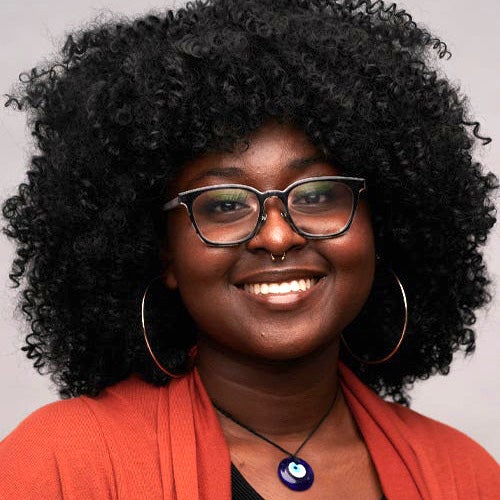
While a great deal has been written about the hypersexualization of Black women, not nearly enough is known about its negative psychological effects on them.
Featured Courses
SOCI 203
Sociology of Sexuality
Sociologists study the social origins of sexuality: how shared beliefs shape what we desire, what is taboo or what shames us. Historical and cross-cultural research illuminates the way modern sexuality transformed systems of dating, marriage, homosexuality, government, economics and racial classification. Following Freud, Foucault, feminist and queer theorists, learn why sociologists are skeptical of essentialist explanations that rely on biology and favor theories that recognize sexuality as a diverse, ever-changing function of cultural institutions.
- Taught by
- Greggor Mattson
SOCI 314
Unequal Educations
This course focuses on education as a social institution and the inequalities structured within it. Using theory and empirical evidence, education in the United States will be examined from pre-school through post-secondary levels. The intersections of education and other institutions (e.g., political, economic, and familial) are analyzed and include discussions of race/ethnicity, class, gender, and sexuality. Further, the role of education in social reproduction and social control will be examined.
- Taught by
- Daphne John
SOCI 219
Race and Racism in the U.S.
In this course, students learn about the social construction of race in the U.S. and the fluidity of the boundaries that define racial groups. Students think critically about the biological fallacy of race and the social reality of racism as widespread and embedded in the fabric of American society. Classic and contemporary texts give students a broad understanding of subjects such as institutional racism, colorblind racism, colorism, critical race theory, intersectionality, racial socialization, white privilege, and multiracialism, among others.
- Taught by
- Alicia Smith-Tran ’10
SOCI 284
Environmental Sociology
This course introduces students to the growing intellectual and pragmatic focus on the relationship between people and the environment. Throughout the semester, we will investigate the ways in which people and the environment interact with one another, examine how those interactions are influenced by socio-cultural processes such as political power and social inequality, and explore various responses to environmental issues, including individual behaviors, social movements, and policies that legislate human interactions with the natural world.
- Taught by
- Christie Parris
Student Profiles
The Power of Community
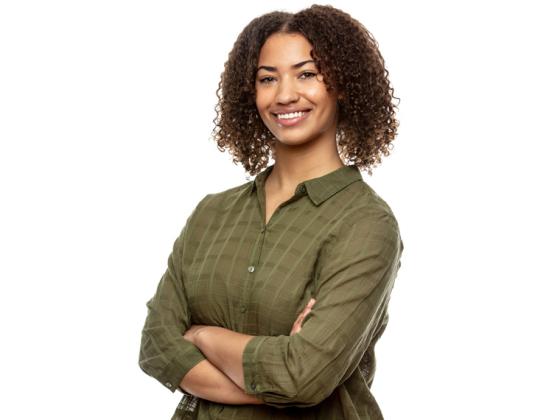
For Lauren Sands ’24, volleyball and mentorship have paved the way for a career in public policy. As an Oberlin, Ohio native, she felt it important to give back to the community she grew up in through the Ninde Scholars program. Passionate about advocacy, she now works in the nonprofit sector in Columbus, Ohio.
Creating Better Higher Education
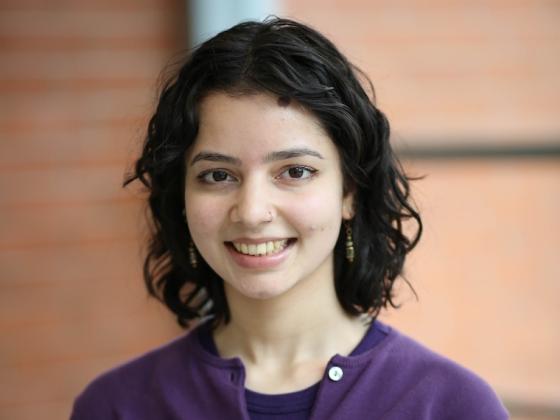
As student affairs coordinator for the Drexel University College of Medicine, Neena Duphare ’24 uses her sociology degree to empathize and problem solve. “Sociology analyzes the world very critically,” she says. “But also it’s trying to understand the undercurrents of why things are the way they are, why people or groups interact with each other or institutions the way they do.”
Going Places
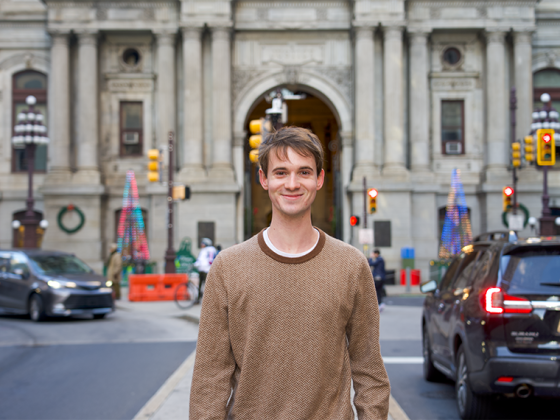
Thanks to support from Oberlin, Luca Johnson ’24 explored his interest in public transportation—and now helps the city of Philadelphia design safer routes to school.
Sociology News
From Winter Term to the Lab: Building a Path to Medicine
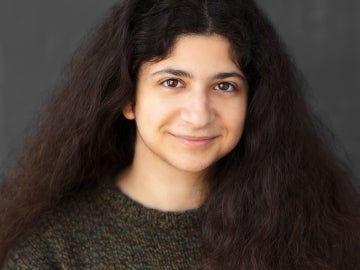
CELA supports Henry Feller ’26 as he integrates research across the college and conservatory, clinical experience, and global study toward a career in pediatrics and public health.
Exploring Identity and Research Pathways Through CELA
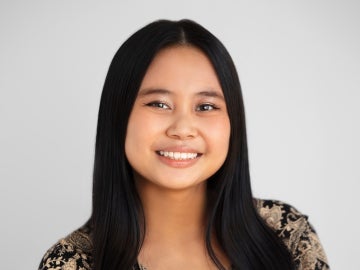
Sociology major Katelyn Liu ’26 explores Asian and Asian American identity through Oberlin’s Mellon Mays Fellowship and the Center for Engaged Liberal Arts.
Flourishing Through Fieldwork
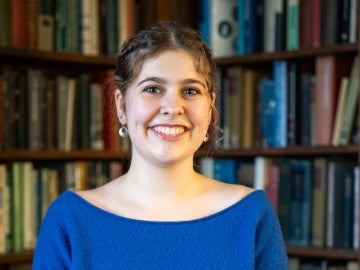
Vivian Friedman ’26 spent the summer of 2025 at New York University, gaining valuable insight into the research process.
Next Steps
Get in touch; we would love to chat.
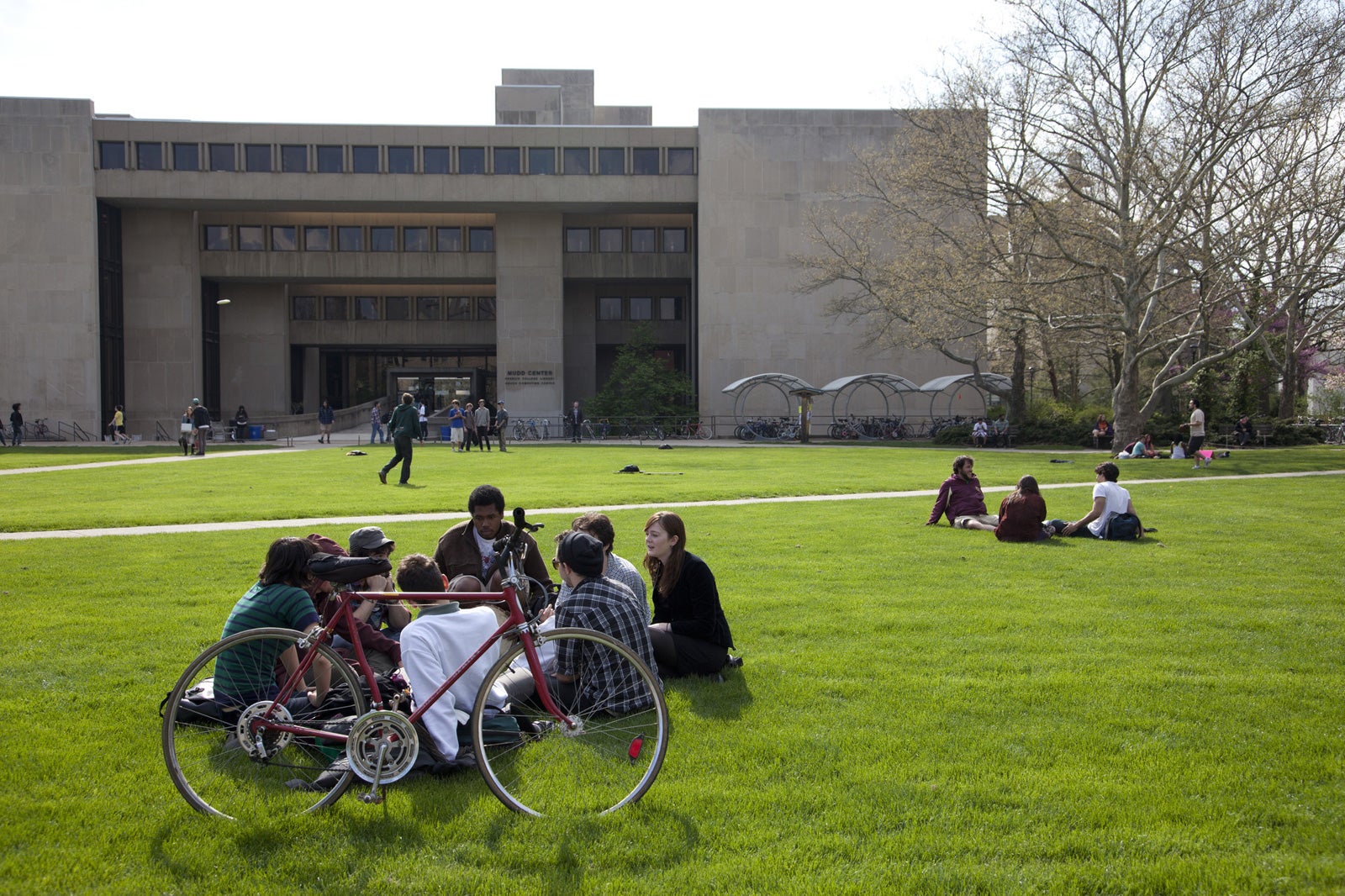
Photo credit: Jennifer Manna